

Categories
Buying/Selling, MovingPublished October 30, 2026
Registering Cars and Establishing Residency: A Step-by-Step Checklist for Your First 30 Days in Cedar City.

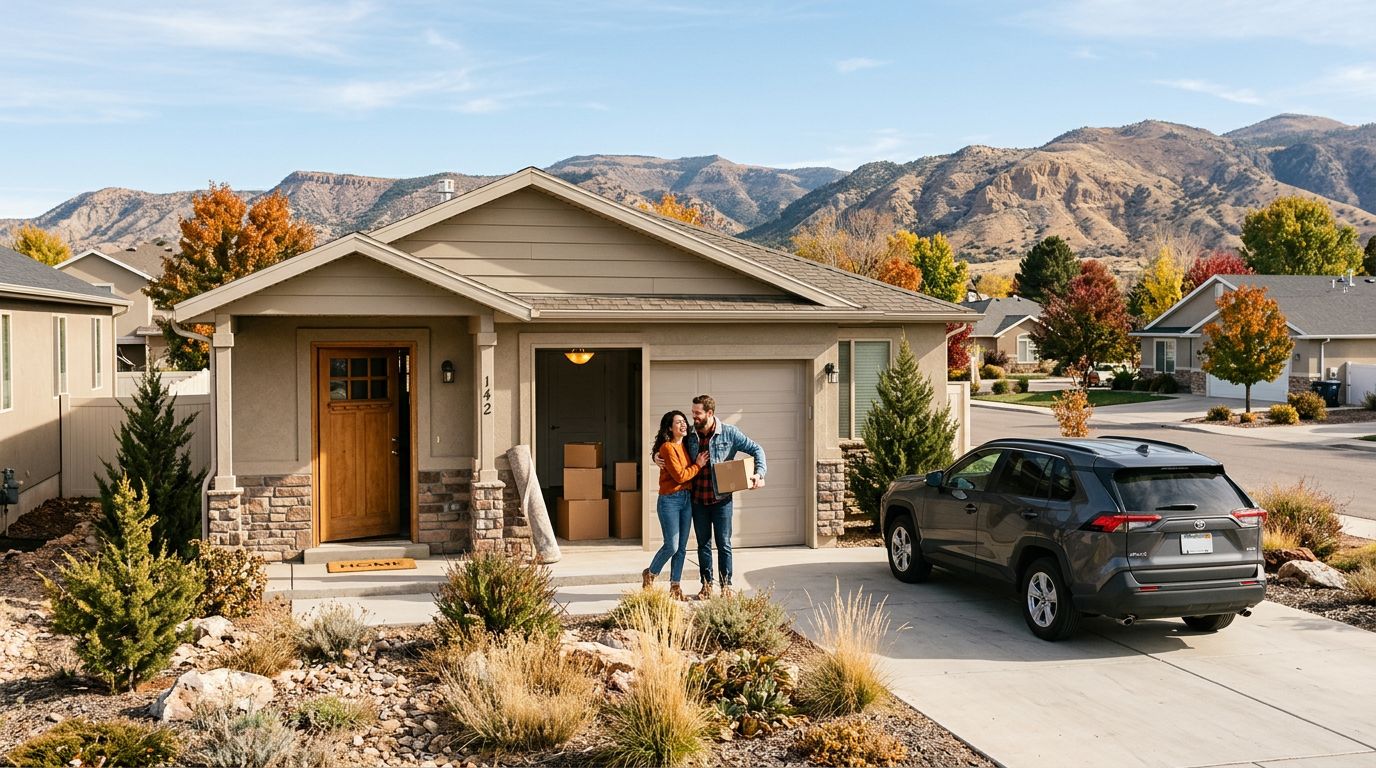
The boxes are inside, you've got the keys, and your car is still wearing California, Nevada, or Arizona plates. Now come the errands that don't fit neatly into a moving company's schedule. Your insurance policy still lists your old garage address. The driver's license in your wallet belongs to another state. You may need a utility statement or other proof of your new address before you can change either.
If you're moving to Cedar City Utah, it helps to handle these in a deliberate order. Separate agencies handle licenses and registrations, and a first-month plan can spare repeat trips.
Here's how to get the local details right and keep the requirements straight.
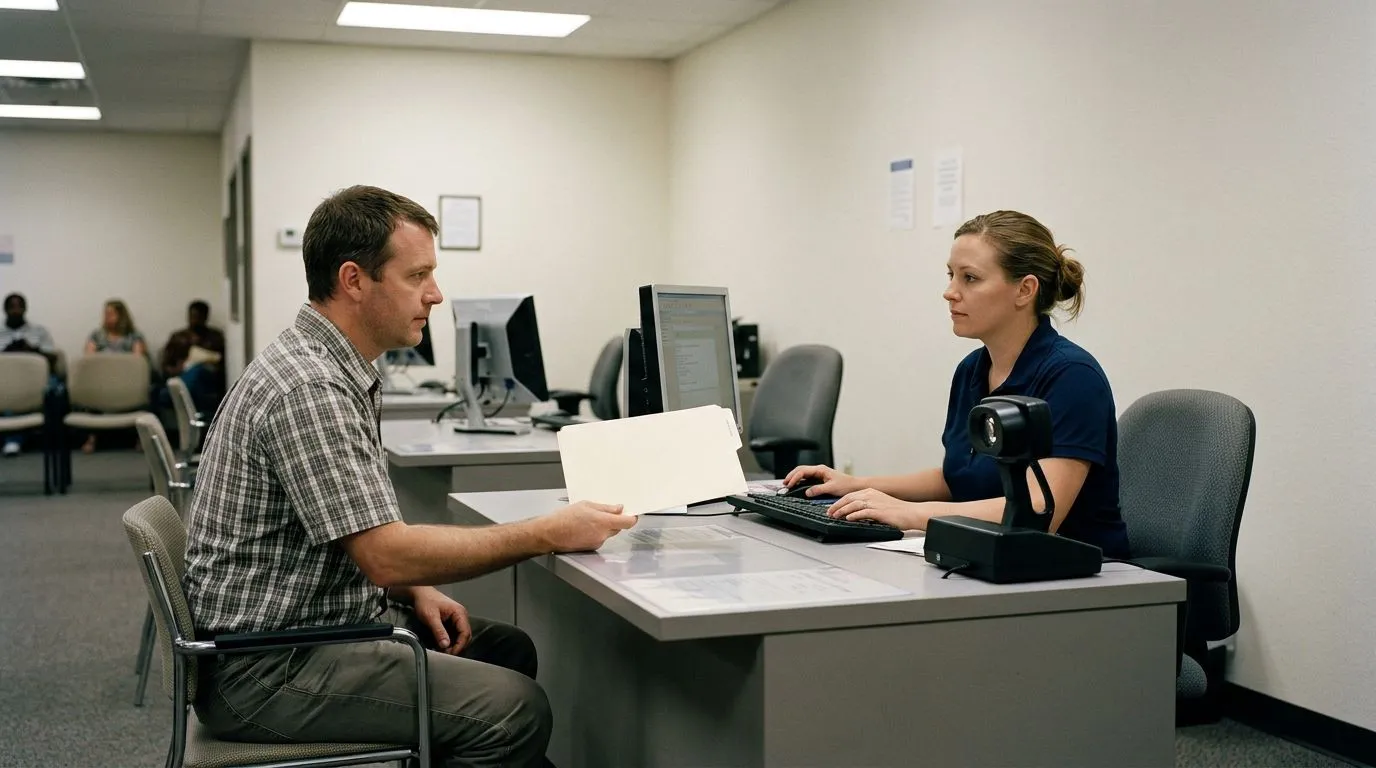
Table of Contents
- First, Understand What Establishing Utah Residency Actually Means
- Days 1–5: Gather Your Documents Before Visiting an Office
- Days 5–10: Exchange Your Out-of-State Driver's License
- Days 7–15: Register Your Out-of-State Vehicle in Iron County
- VIN Inspections, Emissions Tests, and Cars With Outstanding Loans
- Days 10–20: Update Insurance and the Records Tied to Your Old Address
- Days 20–30: Voting and Tax Residency
- How The Sam Dodd Team Helps Buyers Prepare for a Cedar City Move
- Your First 30 Days in Cedar City: A Practical Checklist
- Frequently Asked Questions
- Planning Your Move to Cedar City?
First, Understand What Establishing Utah Residency Actually Means
Your Home Address Is the Starting Point
Once you've moved into a house in Cedar City, your address becomes the starting point for new records. If you closed on a home but haven't moved in yet, however, the purchase alone doesn't answer every question about residency. An agency may ask where you actually live, when you moved, or for documents showing that location.
A Cedar City mailing address also doesn't necessarily mean the property lies within city limits. Use your actual residential address.
Different Agencies Use Residency for Different Purposes
People searching how to establish residency in Utah sometimes expect one application that settles everything. Utah instead has distinct rules for driver licensing, registering vehicles, voting, and state taxes. License plates do not determine tax domicile, and home ownership alone does not establish voting eligibility. Record your move date.
For utilities and other moving tasks, see the first 30 days moving checklist.
Important Residency Distinction
Updating your driver's license, vehicle registration, insurance, and tax records involves separate processes. Keep documentation of your actual move-in date and residential address so you can provide consistent information to the appropriate agencies.
Days 1–5: Gather Your Documents Before Visiting an Office
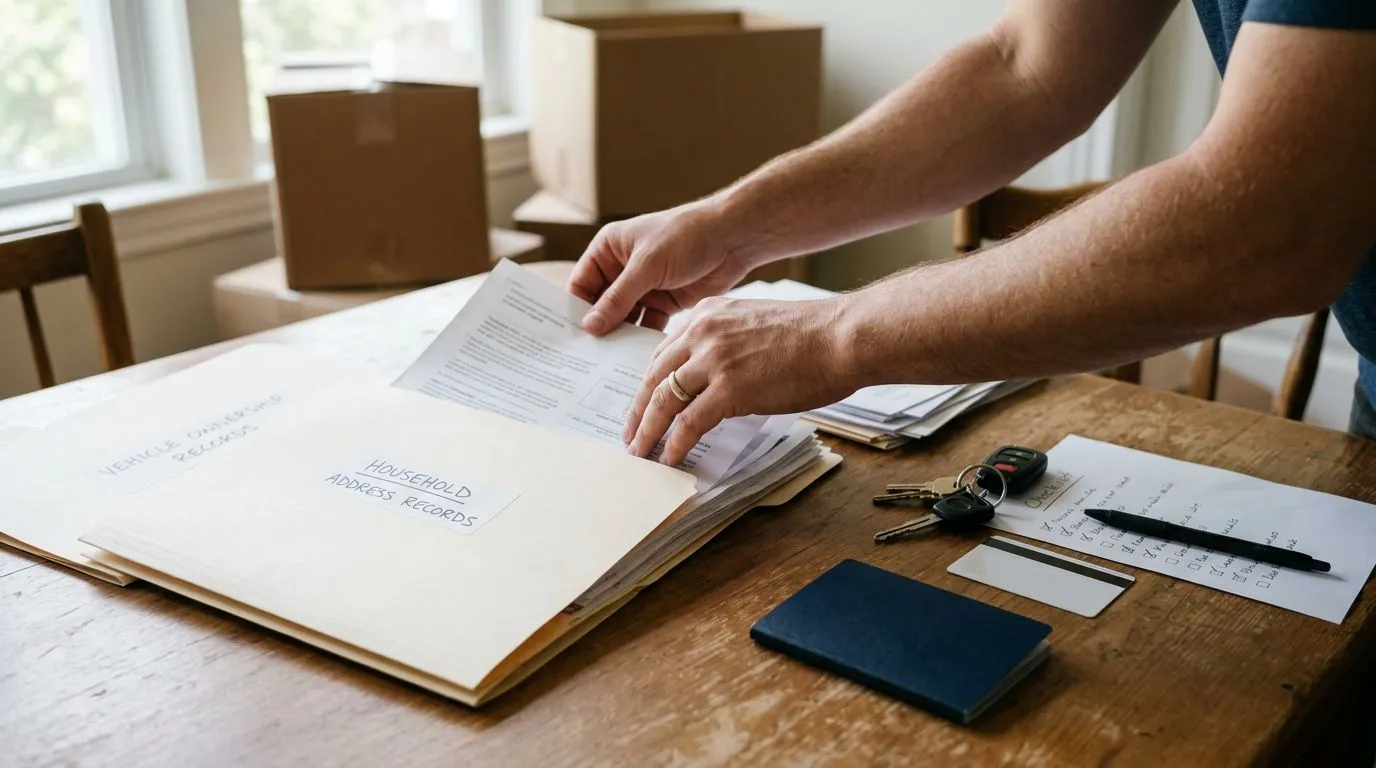
Start a folder for the records you'll need. The Utah Driver License Division's required-documents page explains which original or certified documents qualify and which copies it won't accept. For the standard application route, expect to provide identity evidence, Social Security number verification, qualifying Utah address documentation, and your existing out-of-state license. Name differences may require supporting records.
Two acceptable proofs of your Utah residential address are generally required for the standard license application. Check the current category-specific list rather than assuming any piece of mail will do. Check whether your closing, lease, or utility documents qualify.
Add your car's existing registration, title if you have it, VIN, and lender or leasing-company details. If you lack address documents, check accepted alternatives before your appointment.
Use the address where you actually reside. A post-office box or a future move-in address should not be substituted for residential proof without confirming the agency's requirements.
Documents to Gather Before Your First Appointment
- Identity documentation: Required original or certified identity records.
- Social Security verification: Documentation accepted by the Driver License Division.
- Proof of address: Two qualifying Utah residential-address documents for the standard license application.
- Existing driver's license: Your current out-of-state license.
- Vehicle documents: Current registration, title or lienholder information, and VIN.
- Insurance information: Current policy details for updating your vehicle's garaging address.
Days 5–10: Exchange Your Out-of-State Driver's License
The Cedar City Driver-License Office
The Utah Driver License Division is at 181 East DL Sargent Drive, Cedar City, UT 84721. Its published schedule is Monday through Friday, 8 a.m. to 5 p.m.; check the official office directory before heading over. This is not the office where you obtain Utah vehicle plates.
For the standard original-license process, complete the online application and schedule an appointment. Searchers using the phrase Utah drivers license new resident should start with the DLD's current application instructions rather than an outdated general moving checklist. Bring the required identity, address, and Social Security documents along with your current license. The division lists a vision screening and a 25-question open-book knowledge test for previously licensed applicants transferring an out-of-state license. A driving-skills test may also be required depending on the circumstances. Fees and special rules vary by license type, so review the current application instructions rather than relying on an old moving guide.
You surrender your out-of-state license when applying. Once approved, you receive a temporary license while the card is mailed.
This ten-day target is planning advice, not a universal legal deadline. The Utah drivers license new resident requirements may differ for expired or commercial licenses.
Days 7–15: Register Your Out-of-State Vehicle in Iron County
Go to the DMV, Not the Driver-License Office
The Utah DMV office for Cedar City is at Iron County Justice Court, 82 North 100 East, Suite 103, Cedar City, UT 84720. The state DMV directory currently lists Monday through Thursday hours of 7 a.m. to 6 p.m. and notes that title work stops before the office closes. Check again before visiting, especially around holidays.
This is where you work through Utah car registration when relocating with a vehicle previously plated elsewhere. An out-of-state car generally requires ownership evidence, applicable inspections, insurance, and fees. The DMV's moved-from-out-of-state instructions recommend starting with the original out-of-state title or registration; individual title circumstances may require more.
What to Bring and When to Start
Unlike a routine renewal, Utah car registration following an interstate move can involve ownership and inspection documents.
Gather the vehicle's current registration, your identification, title or lienholder information, and any required inspection documentation. Ask about a temporary permit if documents are missing. Fees vary by vehicle.
If you're trying to register car in Utah from out of state, make the appointment or office inquiry early enough to resolve unexpected title or lender questions. Utah's DMV provides a 60-day vehicle registration rule for people meeting its new-resident or qualifying in-state presence criteria. Aim for the first month while confirming your actual deadline.
Check your former state's procedures too; Utah plates may not automatically close its records.
Two Different Offices in Cedar City
- Driver License Division: 181 East DL Sargent Drive. Handles driver licensing and related requirements.
- Division of Motor Vehicles: 82 North 100 East, Suite 103. Handles vehicle registration and title-related transactions.
Confirm the office location, hours, and required documents through the relevant official state directory before visiting.
VIN Inspections, Emissions Tests, and Cars With Outstanding Loans
Your VIN May Need to Be Verified
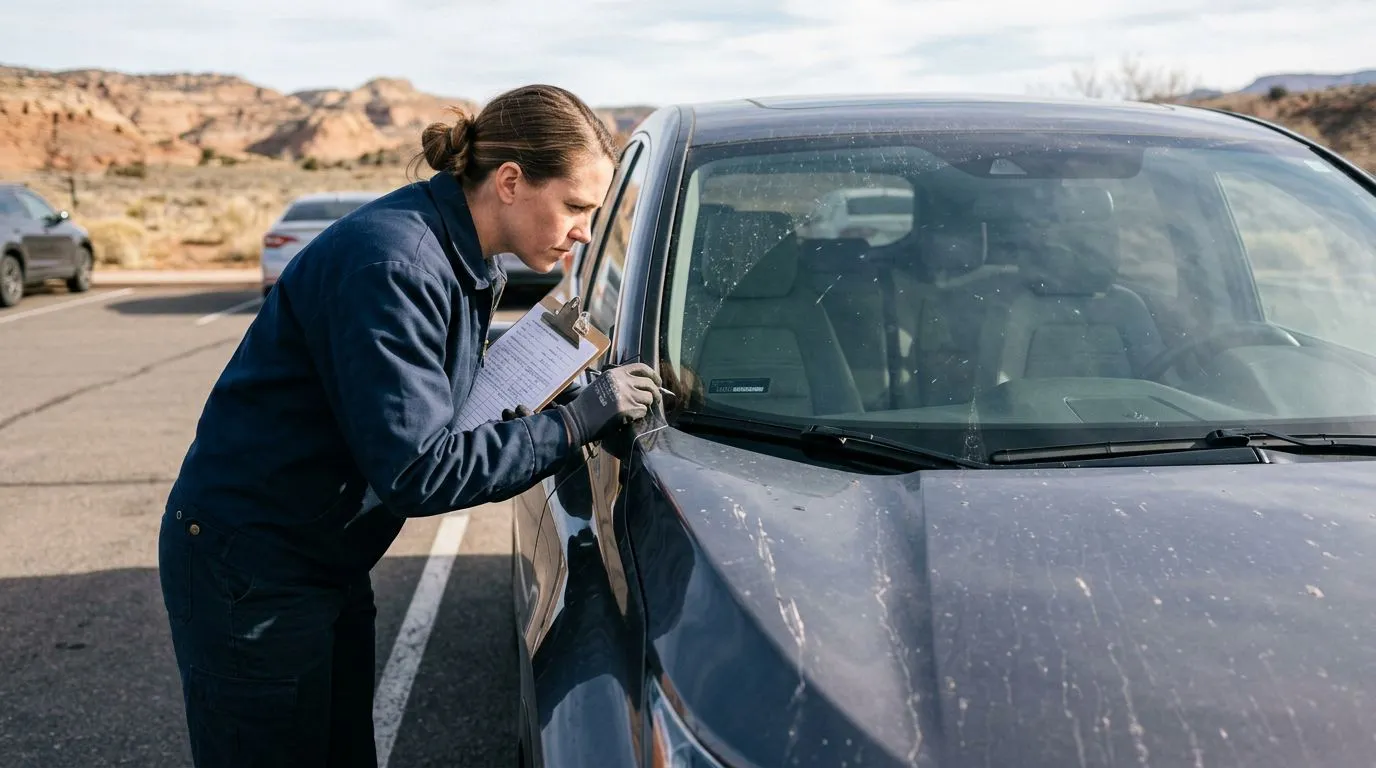
An out-of-state vehicle being titled in Utah generally needs identification-number verification. Check accepted forms and inspectors in the DMV inspection guidance. Trailers and specialty vehicles may need different forms.
Iron County Isn't a California Smog-Check County
Iron County is not included among the Utah counties listed under the state's county emissions-testing programs. For a conventional registration based in Iron County, don't schedule an emissions test merely because your former California registration required a smog certificate. Check for special circumstances or vehicle-specific requirements rather than assuming every inspection requirement disappears.
When the Lender Still Holds Your Title
A financed vehicle often has a title held by a bank or credit union. Utah has a transfer-without-title procedure for qualifying situations. A registration-only arrangement may be available while the out-of-state title remains with the lienholder.
If you need to register car in Utah from out of state and your lender has the title, contact the DMV with the lender's name and your current registration before attempting to request a document the bank may not release. Leased vehicles may require additional authorization.
Days 10–20: Update Insurance and the Records Tied to Your Old Address
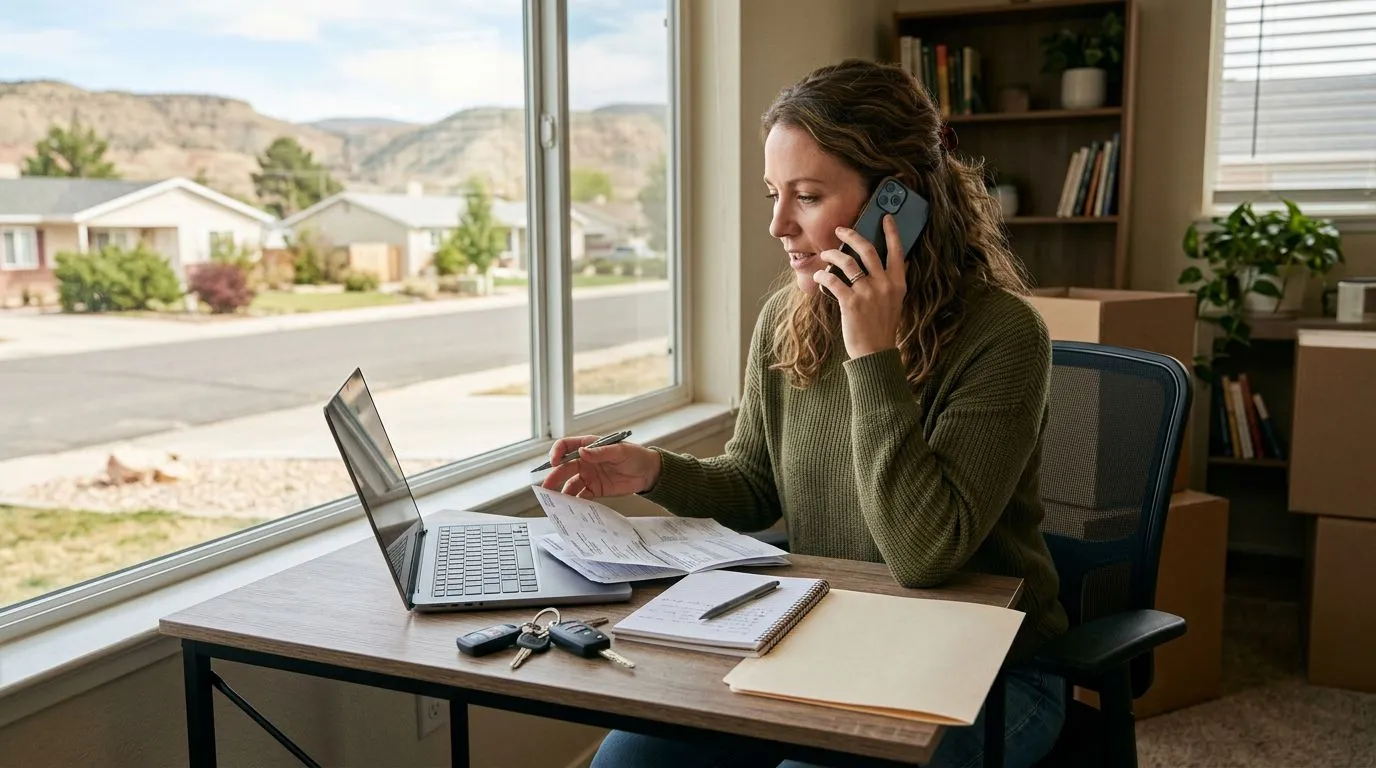
Call your auto insurer once you know where the vehicle is now principally kept. A San Diego garaging address on a policy doesn't accurately describe a car living in Cedar City. Ask the insurer to review Utah's required coverage, update the vehicle information, and coordinate the change without a lapse. Utah requires applicable liability and no-fault coverage for registered vehicles; the DMV insurance guide explains the general requirements.
Do not assume premiums will decrease in Iron County; quotes depend on your coverage and circumstances.
Next, update your address with your bank, employer or payroll department, vehicle lender, and other institutions that send official financial correspondence. Arrange USPS forwarding if you haven't already. These changes also help important documents reach you.
Save the move date and updated records for tax questions.
Address Updates Worth Handling Together
- Auto insurance and vehicle garaging information.
- Banking and financial institution records.
- Employer or payroll information.
- Vehicle lender or leasing-company records.
- Official correspondence and postal forwarding.
- Records documenting the date of your interstate move.
Days 20–30: Voting and Tax Residency
Registering to Vote in Iron County
Utah requires eligible voters to have lived in the state for at least 30 days immediately before Election Day. That voter-eligibility requirement shouldn't be confused with your vehicle registration schedule. The state's voter-registration guidance describes online, paper, and in-person options, as well as election-specific cutoffs. Online registration generally requires a Utah driver license or state ID; paper or in-person options can be useful when you're still waiting for one.
Check the date of the next election and confirm your registration with the appropriate county clerk.
Keep Tax Residency Records Separate
If you're relocating from California, retain documentation of when you moved, when you occupied the Utah property, and whether you kept a home, job, or other income sources in the former state. A driver's license, voter registration, or change of vehicle plates can be relevant evidence, but none automatically resolves every income-tax question.
Someone working remotely for a California employer or keeping rental property there may have ongoing state tax issues. Applicable tax rules determine filing obligations. Consult a tax professional about part-year or multistate obligations.
How The Sam Dodd Team Helps Buyers Prepare for a Cedar City Move
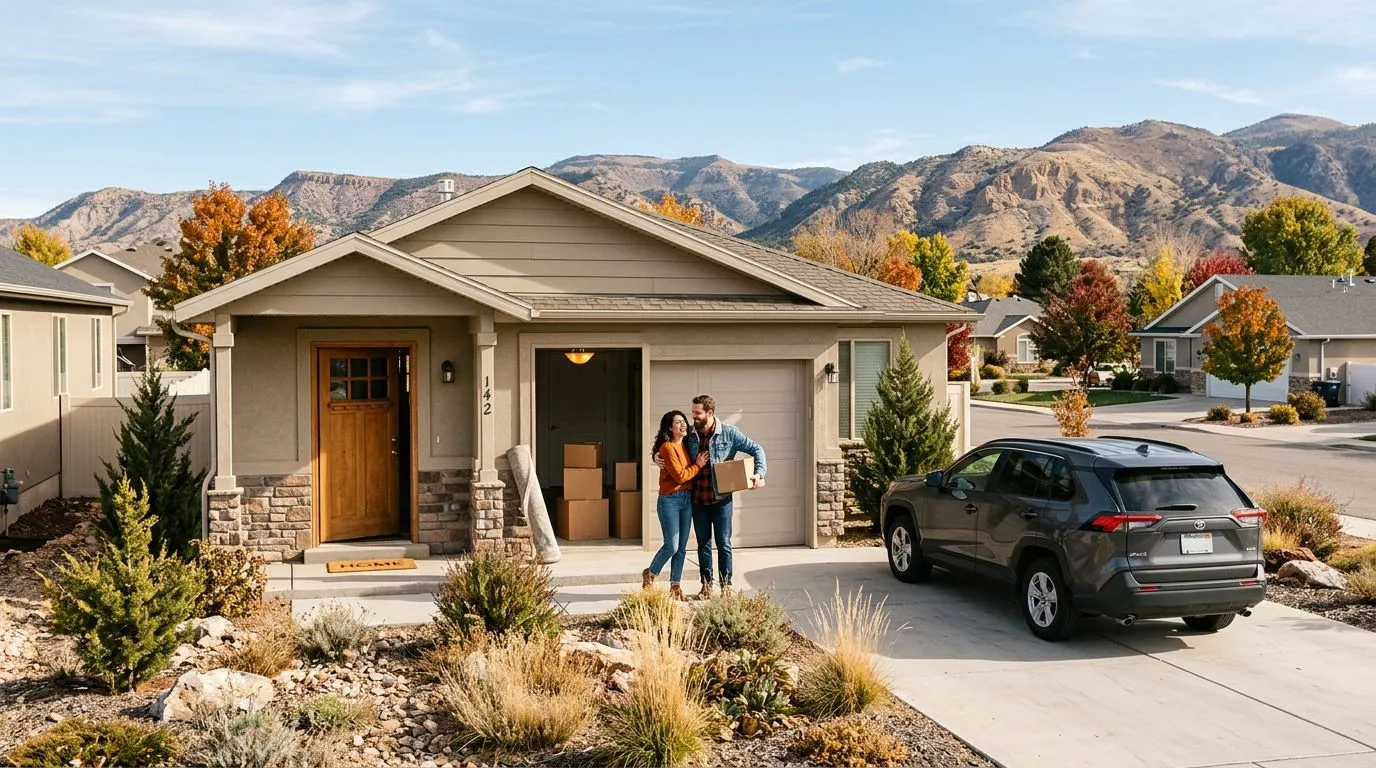
If you are still buying, your possession date determines when you can begin using the new residential address. Confirm whether the property is within Cedar City, Enoch, or unincorporated Iron County.
The Sam Dodd Team helps buyers compare Southern Utah neighborhoods and properties, arrange showings, and work through the purchase process. See its home-buying resources for the purchase process. You can review available Southern Utah homes ahead of your move.
If you're moving to Cedar City Utah after selling a home in another state, coordinate your expected possession date with the start of these administrative tasks. That makes it easier to know when you can accurately use the new residential address.
Your First 30 Days in Cedar City: A Practical Checklist
Use this as a quick Utah car registration and residency task list. Confirm your own deadlines before relying on the schedule.
Days 1–5: Prepare Your Documents
- Confirm your actual residential address and move date.
- Gather identity, Social Security, and qualifying address records.
- Find vehicle registration, title, insurance, and lender documents.
- Review your applicable licensing and registration requirements.
Days 5–15: Driver Licensing and Vehicle Registration
- Complete the Utah driver-license application and required appointment.
- Confirm whether a VIN inspection applies.
- Resolve out-of-state title or lienholder questions.
- Complete Utah car registration at the appropriate DMV office.
Days 15–30: Update Your Remaining Records
- Confirm the insurance address and coverage change.
- Update employer, bank, and mailing records.
- Check voter registration eligibility and election deadlines.
- Save records relevant to part-year tax questions.
Check individual agency deadlines.
Frequently Asked Questions
Planning Your Move to Cedar City?
You can start exploring neighborhoods and property options before the vehicle and residency paperwork begins. For anyone researching how to establish residency in Utah while preparing a Southern Utah purchase, the actual move-in date and residential address matter.
Contact The Sam Dodd Team to discuss your Cedar City home search, your expected purchase timeline, and what to consider before settling into Iron County.

Sam Dodd
Operator/Agent | Sam Dodd Team | eXp Realty | PLACE
or another way