

Published October 26, 2026
From High Mortgage to Cash Buyer: The Financial Realities of Downsizing to Southern Utah.

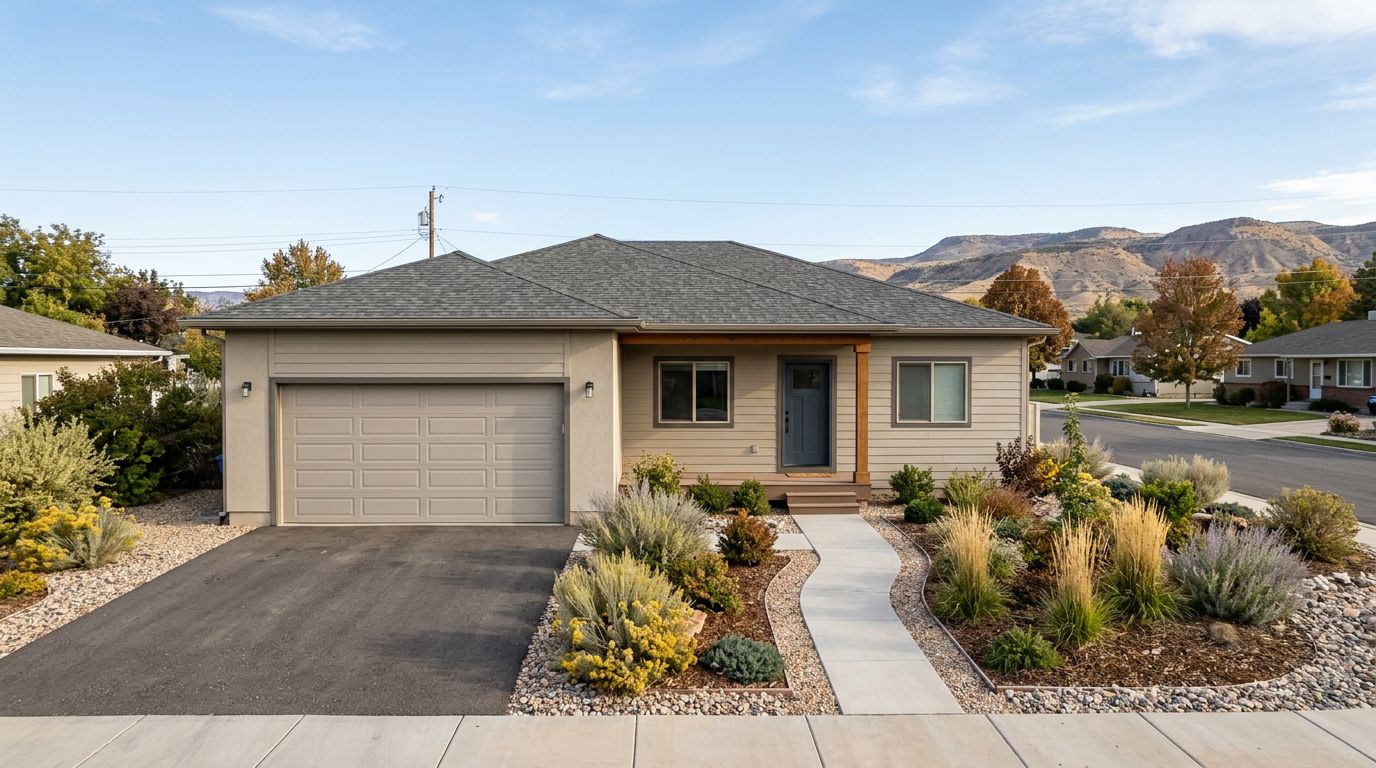
Selling a Southern California home could put you in a very different financial position when purchasing in Cedar City. Here's how to calculate your available equity, understand the costs, and decide what a mortgage-free move might actually look like.
If you've owned a home in San Diego County for a number of years, there's a good chance you've thought about what selling it could mean for your next chapter. Perhaps your children have moved out, you're getting closer to retirement, or you've grown tired of carrying a substantial mortgage on a house that's larger than you need.
The prospect of moving to Cedar City introduces an interesting financial possibility. Depending on your existing mortgage balance, accumulated equity, and the type of property you want to purchase, you may be able to buy your next home without taking on another mortgage.
For homeowners considering buying a house with cash, that possibility deserves a closer look.
There are several figures to work through before you can determine if it's realistic, though. The estimated value of your California home, the amount you'll receive at closing, and the cash you'll actually have available for a Utah purchase can be surprisingly different.
Understanding those numbers early can help you approach the move with a clearer budget and fewer financial surprises.

Table of Contents
- Why Downsizing From San Diego Can Change Your Housing Budget
- Calculate Your Actual California Home-Sale Proceeds Before Shopping in Utah
- The Tax Questions That Can Affect Your Downsizing Proceeds
- Buying Your Cedar City Home With Cash: The Financial Advantages and Tradeoffs
- Utah Property Taxes and What You'll Pay After Moving
- How Much of Your Home Equity Should You Keep After Closing?
- Coordinating a California Sale With a Utah Cash Purchase
- Comparing Cedar City Properties Without Overspending Your Equity
- How The Sam Dodd Team Helps California Homeowners Plan Their Cedar City Purchase
- Five Financial Questions to Answer Before You Sell
- Frequently Asked Questions
- Turn Your California Home Equity Into a Realistic Southern Utah Purchase Plan
Why Downsizing From San Diego Can Change Your Housing Budget
High Property Values Don't Automatically Mean Available Cash
Your home's estimated market value is a useful starting point, particularly if you've owned it through years of appreciation. But the amount a buyer pays for the property won't be the amount deposited into your account.
Your mortgage needs to be paid off, along with any home equity loans or other liens. There are also selling expenses, negotiated credits, closing adjustments, and potentially tax obligations to consider.
If you've refinanced or borrowed against the property, those balances can make a significant difference.
A Different Purchase Price Changes Your Options
When you're moving to Cedar City Utah, you may find properties that meet your needs at prices below what you expect to receive from selling your California residence.
That could allow you to purchase outright, substantially reduce your mortgage balance, or choose a different combination of home size and remaining savings.
The outcome depends on your individual circumstances and the properties available when you're ready to buy.
For additional context, our guide to relocating from California, Nevada, and Arizona explores why buyers consider Southern Utah.
Before Setting Your Utah Budget
The selling price of your California home is only the starting point. Your realistic purchase budget should account for mortgage payoffs, transaction expenses, potential taxes, moving costs, and the savings you want to retain.
Calculate Your Actual California Home-Sale Proceeds Before Shopping in Utah
Start With a Realistic Selling Price
Online home-value estimates can help you establish a preliminary range, but they shouldn't be the foundation of your final purchase budget.
A knowledgeable California real estate agent can review recent comparable sales, your property's condition, and current competition to help establish a more realistic expectation.
You'll also want an estimated mortgage payoff and a seller net-proceeds calculation showing anticipated transaction expenses.
Understand the Money Coming Out of the Sale
When selling a house in California, your costs may include negotiated brokerage compensation, escrow and title charges, property tax adjustments, outstanding liens, agreed repair credits, and other expenses determined by your transaction.
Those figures need to be accounted for before deciding how much you can spend in Utah.
What the Numbers Might Look Like
Consider the following hypothetical example. These are illustrative figures, not current San Diego or Cedar City market averages or estimates of typical closing costs.
| Transaction Item | Illustrative Amount |
|---|---|
| California home selling price | $950,000 |
| Mortgage payoff | −$275,000 |
| Assumed selling expenses and adjustments | −$55,000 |
| Estimated net proceeds | $620,000 |
| Hypothetical Cedar City home purchase | −$425,000 |
| Assumed Utah buyer closing costs | −$5,000 |
| Remaining before moving costs and applicable taxes | $190,000 |
In this example, the owner could complete a $425,000 cash purchase and have $190,000 remaining before moving expenses, potential taxes, and other obligations.
The calculation is straightforward. Determining whether those assumptions reflect your own circumstances requires substantially more work.
The example also illustrates why home equity shouldn't be confused with after-tax, spendable cash.

The Tax Questions That Can Affect Your Downsizing Proceeds
Your Principal-Residence Capital Gains Exclusion
Federal tax rules allow eligible homeowners to exclude up to $250,000 in gain from the sale of a principal residence, or up to $500,000 for qualifying married couples filing jointly.
The IRS guidance on selling your home explains the ownership, use, and other requirements.
Importantly, taxable gain is calculated using the property's adjusted basis and applicable selling expenses. Mortgage payoff isn't the determining factor.
For example, someone with a small mortgage balance may have substantial available cash but also a significant taxable gain, depending on the property's purchase history and other adjustments.
California Withholding Can Affect Closing Funds
California also has real estate withholding requirements administered through Form 593.
Certain qualifying principal-residence sales may be exempt. Other transactions may require withholding, with the standard calculation generally involving 3⅓% of the selling price or an available alternative.
The California Franchise Tax Board's Form 593 instructions explain the current rules.
Withholding is different from your final tax liability. Nevertheless, it can affect the amount disbursed at closing.
Plan for the Tax Consequences Before Listing
If you're selling a house in California after many years of ownership, consult a qualified tax professional before establishing your Utah purchase budget.
Moving to another state doesn't automatically eliminate California tax responsibilities associated with a California property sale.
The timing of your move, your property's tax basis, applicable exclusions, and other sources of income can all matter.
Important Financial Distinction
Your home equity, taxable capital gain, and net cash available at closing are different figures. Review all three before committing to a replacement property purchase.
Buying Your Cedar City Home With Cash: The Financial Advantages and Tradeoffs
Living Without a Monthly Mortgage Payment
The most obvious appeal of buying a house with cash is eliminating the principal-and-interest mortgage payment.
For someone approaching retirement or seeking to reduce fixed monthly expenses, that can make a meaningful difference.
It may also simplify the purchase process because lender underwriting and mortgage financing aren't required.
However, a mortgage-free home still comes with expenses.
You Still Have Closing and Ownership Costs
Property taxes, homeowners insurance, utilities, maintenance, repairs, and HOA dues where applicable remain your responsibility.
You'll also need funds for inspections, title-related closing costs, and any improvements you intend to make after moving.
A cash purchase can remove one large monthly obligation, but it doesn't eliminate the cost of maintaining a home.
Why Keeping a Smaller Mortgage Might Make Sense
Paying the entire purchase price upfront isn't necessarily the best approach for every household.
Some homeowners may prefer to retain more liquid savings, especially if retirement income, medical expenses, or planned investments are important considerations.
Others place greater value on eliminating debt.
A financial adviser can help you compare the implications of a cash purchase against retaining a manageable mortgage and keeping additional assets available.
Utah Property Taxes and What You'll Pay After Moving
How Utah's Primary Residential Exemption Works
Utah provides a 45% market-value exemption for qualifying primary residential property.
Under the Utah State Tax Commission's guidance, eligible property is generally taxed based on 55% of its qualifying market value.
For illustration, a home assessed at $400,000 with the full exemption would have a taxable value of $220,000 before applicable tax rates are applied.
That doesn't mean its actual tax bill is 45% lower than a comparable California home's. Different assessments, exemptions, and tax rates make direct comparisons more complicated.
The state has also announced revised exemption application requirements beginning January 1, 2027, including filing obligations following ownership changes. Buyers should confirm current requirements and deadlines with the appropriate county office.
Compare Actual Housing Expenses
When evaluating Cedar City housing affordability, look beyond the purchase price.
Review the property's actual tax information, insurance options, utility expenses, and anticipated maintenance.
A newer home with minimal immediate repairs could have a different ownership budget from an older residence requiring improvements.
Similarly, larger lots and additional buildings may create maintenance obligations that weren't part of your original downsizing plans.
How Much of Your Home Equity Should You Keep After Closing?
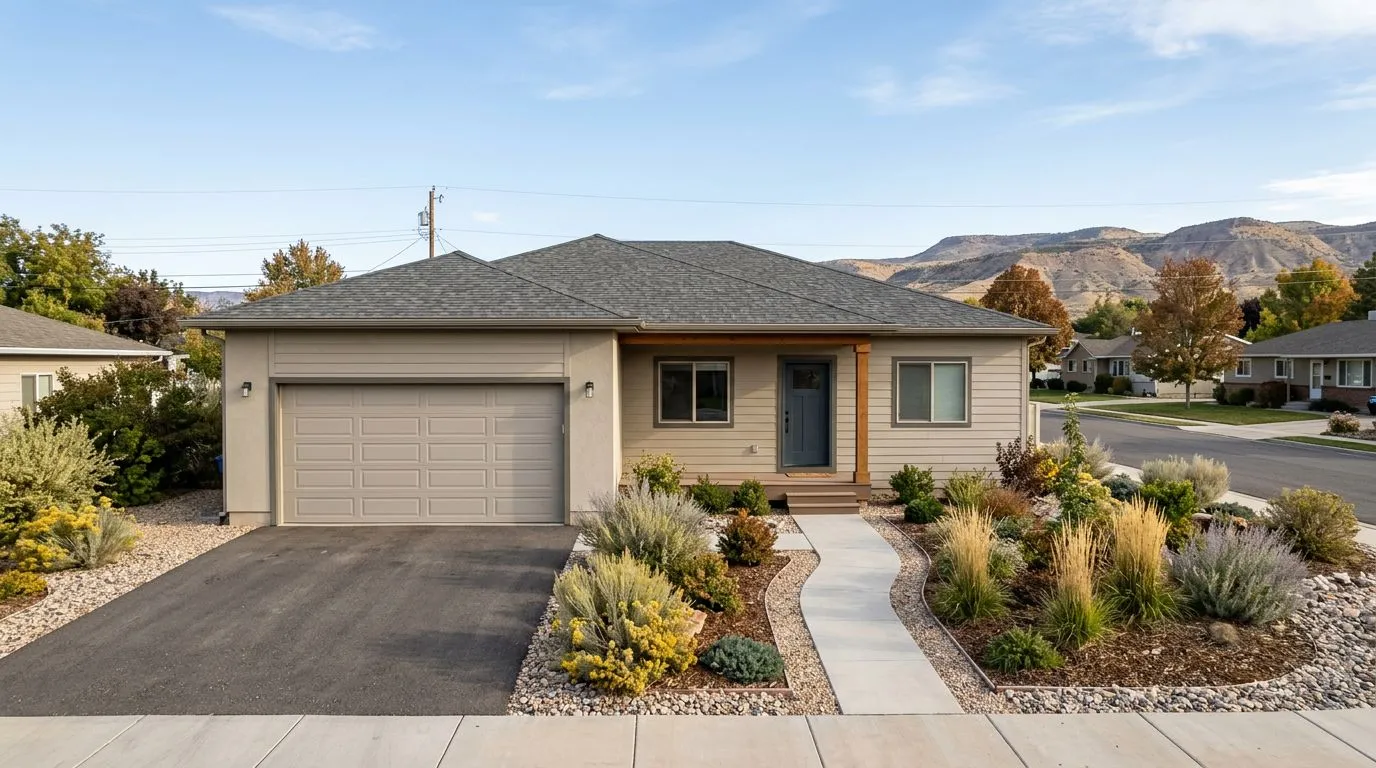
One of the biggest mistakes a relocating buyer can make is treating every dollar of available proceeds as money that should go toward the next house.
When downsizing your home, consider what your finances will look like after the purchase.
Moving expenses can be substantial, particularly when relocating an entire household across state lines. You may also need temporary accommodations, furniture, storage, or immediate repairs.
If you're retiring, access to liquid funds becomes particularly important.
Your reserves may need to cover:
- Emergency expenses: Unexpected repairs and other financial emergencies.
- Relocation costs: Moving, storage, and temporary housing.
- Property improvements: Furnishing or renovating the replacement home.
- Personal obligations: Healthcare costs and other necessary expenses.
- Outstanding liabilities: Taxes or expenses associated with your California sale.
There's no universally correct reserve amount. It depends on your income, savings, obligations, and long-term financial plans.
The important point is to establish a comfortable maximum purchase budget before selecting a property.
Coordinating a California Sale With a Utah Cash Purchase
Expected Sale Proceeds Aren't Available Cash
If your California home hasn't closed, the proceeds from that sale generally aren't available to fund your Utah purchase.
This distinction matters when presenting yourself as a cash buyer.
A seller may request evidence that you can complete the transaction, and a planned future sale doesn't necessarily establish that the funds are currently accessible.
Deciding Which Transaction Comes First
Selling your California property before buying in Utah provides greater clarity about your available budget. It may require temporary housing, however, if you haven't selected a replacement property.
Buying first can provide more flexibility around moving dates, but you need another reliable source of purchase funds or an appropriate financing arrangement.
Coordinating both closings introduces additional deadlines and contractual considerations.
Don't Skip Due Diligence Because You're Paying Cash
Buying a house with cash doesn't eliminate the need to investigate property condition, title, insurance, and contract terms.
A financing contingency may be unnecessary when sufficient funds are available, but inspections and other appropriate protections remain important.
The correct transaction structure depends on your timeline and circumstances.
Cash Buyer Checklist
- Confirm when California sale proceeds will actually be available.
- Review earnest money and Utah settlement deadlines.
- Arrange appropriate property inspections and title review.
- Verify homeowners insurance availability and costs.
- Preserve adequate funds for moving expenses and reserves.
Comparing Cedar City Properties Without Overspending Your Equity
Once you understand your budget, begin comparing the kinds of properties that make sense for your next stage of life.
You might prefer a smaller established home near downtown Cedar City, a newer single-story property, or a residence with more outdoor space in a surrounding community.
Each creates different long-term ownership considerations.
Someone who wants fewer maintenance responsibilities may find that purchasing a large house on acreage defeats the original financial purpose of relocating.
Exploring Cedar City homes for sale with a firm budget can help narrow your options.
You can also review our guide to homes under $400,000 for additional property-search considerations, while remembering that inventory and pricing change.

How The Sam Dodd Team Helps California Homeowners Plan Their Cedar City Purchase
The Sam Dodd Team works with buyers exploring Cedar City and surrounding Southern Utah communities.
If you're moving to Cedar City Utah after selling a California property, we can help you compare available homes, understand local property options, arrange showings, and coordinate the Utah purchase process.
That includes evaluating whether a property fits the budget and practical requirements you've established.
Our home-buying resources explain the transaction process, while qualified financial and tax professionals can help you address the individual financial implications of your move.
Five Financial Questions to Answer Before You Sell
Before listing your California home, make sure you can answer these questions:
- What will I actually receive? Calculate estimated proceeds after mortgage payoff and selling expenses.
- What tax obligations might apply? Review gain exclusions, California withholding, and relevant filing requirements.
- How much cash should remain available? Establish reserves before setting your purchase budget.
- Would a smaller mortgage be preferable? Consider liquidity and long-term financial priorities.
- How will the transactions overlap? Plan for closing dates, access to proceeds, and temporary housing if necessary.
Answering these questions gives you a stronger starting point when evaluating a replacement property.
Frequently Asked Questions
Turn Your California Home Equity Into a Realistic Southern Utah Purchase Plan
If you're considering downsizing your home and exploring Cedar City homes for sale, understanding your available proceeds is the best place to begin.
The Sam Dodd Team can help you compare Southern Utah properties that fit your purchasing budget, preferences, and long-term plans.
Contact The Sam Dodd Team to discuss your Cedar City home search and the next steps toward purchasing.

Sam Dodd
Operator/Agent | Sam Dodd Team | eXp Realty | PLACE
or another way