
Published March 23, 2026
HOA Reserves Explained: How to Spot a “Healthy” HOA Before You Buy (and Red Flags to Avoid)

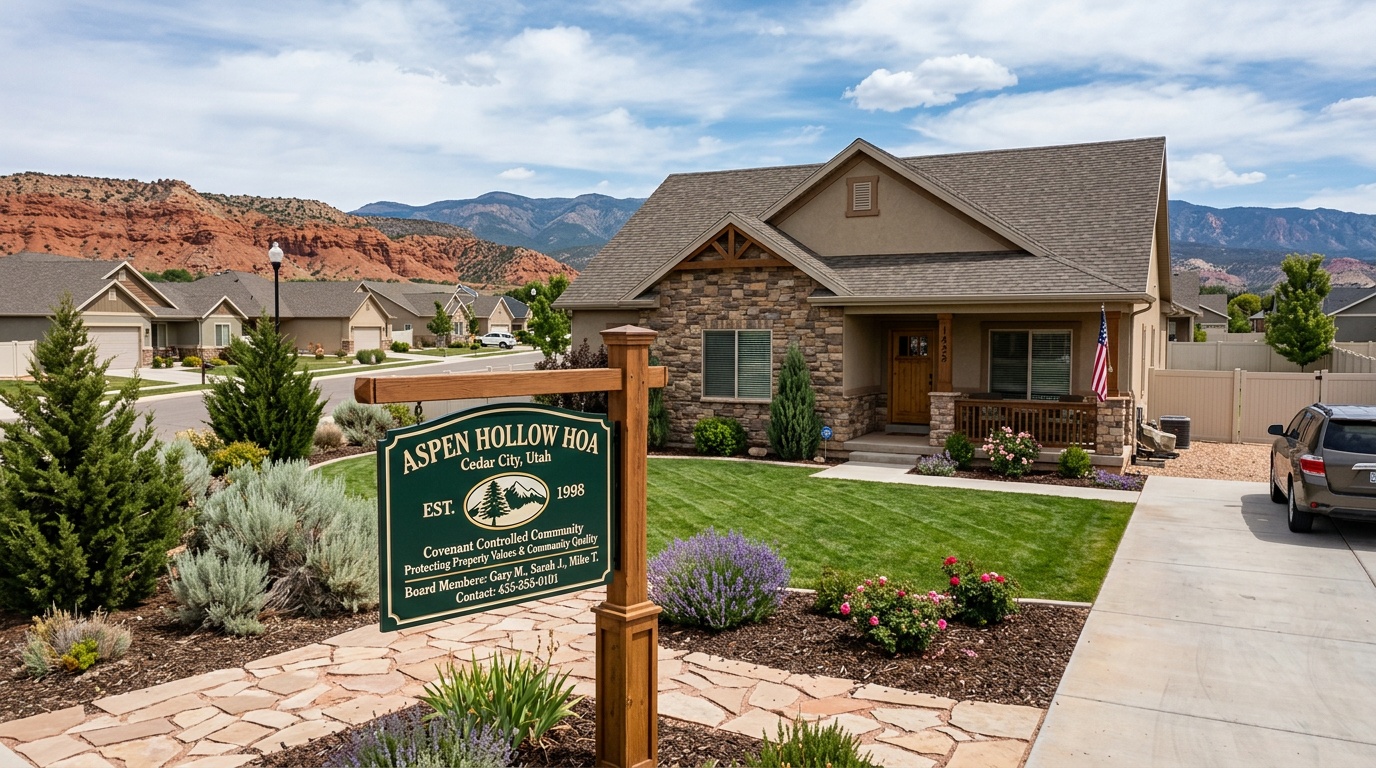
HOA Reserves Explained: How to Avoid an HOA special assessment in Cedar City
As you search for your dream home across Southern Utah, you will very likely encounter Homeowners Associations (HOAs). Whether you are looking at a sun-drenched golf course community near St. George, a modern townhome in Enoch, or a scenic condo right in Cedar City close to SUU, managed communities are incredibly popular. Exploring options further out, from the quiet streets of Parowan to the rural expanse of Beryl, you'll find that Cedar City HOAs often govern the most desirable subdivisions.
While many prospective buyers immediately focus on the visible community amenities—like the sparkling neighborhood pool, well-maintained private parks, and state-of-the-art clubhouses—there is a hidden financial engine running the show that you absolutely must investigate. Here with The Sam Dodd Team, we want to ensure you are fully prepared for every single aspect of homeownership.
Buying a home is one of the biggest investments of your life, and one of the most critical steps in purchasing an HOA-governed property in Washington or Iron County is understanding its long-term financial stability. In this post, we’re breaking down what you need to know about community savings, how to identify Healthy HOAs in Cedar City before you fall in love with a property, and the critical warning signs that should make you think twice before signing on the dotted line.
Table of Contents
- What Exactly is an HOA reserve fund?
- Common Items Covered by Community Savings in Southern Utah
- Why a healthy HOA is Crucial for Buyers
- The Heavy Burden of an HOA special assessment
- Red Flags to Avoid When Evaluating a Community
- Practical Tips to Verify a Financially Stable Neighborhood
- FAQ: Navigating Community Financials
What Exactly is an HOA reserve fund?
Every month, homeowners living in a managed community pay their required dues. A significant portion of these monthly fees goes toward the standard operating budget, which covers day-to-day expenses like professional landscaping, routine maintenance, community utility bills, and basic insurance policies. However, the remainder of that money should be funneled into a dedicated savings account.
Think of the HOA Reserves as the community’s essential emergency and long-term savings account. It is specifically designated for large-scale repair and replacement projects that do not occur on an annual basis. Without this crucial financial cushion, a community is essentially operating on borrowed time. For more detailed definitions of community governance and financial terms, you can always check out authoritative financial resources like Investopedia's guide to Homeowners Associations. Even in smaller mountain towns like Mammoth Creek, planned developments rely on this fundamental financial structure.
Common Items Covered by Community Savings in Southern Utah
To understand why these savings matter so much, it helps to know what they actually pay for, especially given our unique local climates. Typical capital expenditures include:
- Roofing Replacements: Essential for shared community buildings or condo structures, protecting against Cedar City snow loads or St. George's relentless summer sun.
- Asphalt and Paving: Repaving and sealing private neighborhood roads and parking lots that suffer from freeze-thaw cycles in Iron County, affecting even outlying areas like Newcastle.
- Stucco and Exterior Paint: Repainting buildings that have been sun-bleached by the intense heat.
- Amenities: Upgrading or completely resurfacing the community pool, or replacing outdated clubhouse HVAC systems.
When these massive projects inevitably arise, the money has to come from somewhere. If the community has been saving diligently, the transition is seamless. If not, the homeowners are on the hook.
Why a healthy HOA is Crucial for Buyers
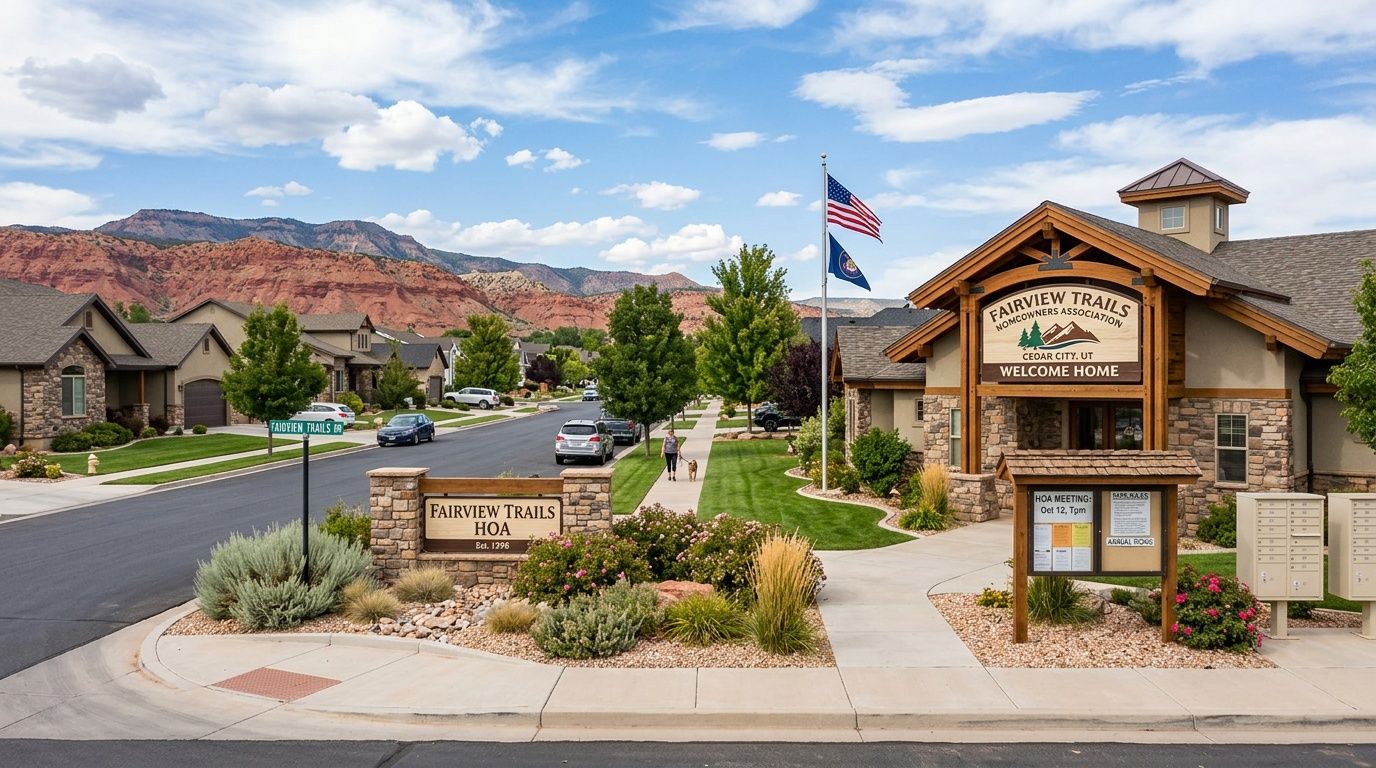
When you buy a home in a managed neighborhood, you aren't just buying the physical property; you're buying into the financial reality of the entire association. Identifying Healthy HOAs in Cedar City protects your property value and provides incredible peace of mind. Communities with robust financials can address maintenance issues promptly, keeping the neighborhood beautiful, safe, and highly desirable to future buyers moving to Southern Utah.
Conversely, a poorly managed association can become a financial nightmare. If the association hasn't saved enough money to fix a major issue, the neighborhood's curb appeal will quickly decline. Worse, when the repairs can no longer be ignored, the board will be forced to extract that money directly from the residents. This brings us to one of the most dreaded phrases in real estate.
The Heavy Burden of an HOA special assessment
When savings fall short, the board of directors must issue a mandatory fee charged to all homeowners in the community, above and beyond their regular monthly dues. These additional charges are levied strictly when the association's current savings are wholly insufficient to cover a major, necessary expense.
Depending on the scale of the required repair—like entirely repaving a large subdivision or replacing all the roofs in a townhome complex—an HOA special assessment in Cedar City can easily range from a few hundred dollars to tens of thousands of dollars per homeowner. For many buyers, being hit with a massive, five-figure bill just months after moving into a new home can be financially devastating. This is exactly why digging into the association's financials during your standard due diligence period is an absolutely essential part of the home-buying process.
Pro Tip from The Sam Dodd Team: Never skip reviewing the HOA financials during your due diligence deadline! We always help our buyers request and interpret these documents to ensure there are no hidden financial surprises lurking around the corner.
Red Flags to Avoid When Evaluating a Community
So, how do you know if a neighborhood is financially stable before you make an offer? Whether you're looking centrally or out near Kanarraville, here are the major red flags we warn our local buyers to look out for:
- 🏡 Underfunded Savings: According to the Community Associations Institute (CAI), a well-funded association generally has at least 70% of the cash necessary to meet its anticipated future obligations. Anything below 30% is considered a severe financial risk.
- 🏡 Deferred Physical Maintenance: Take a detailed walk around the neighborhood. Do you see heavily cracked sidewalks, peeling paint on community buildings, or a pool that is frequently closed during our hot summers? Deferred maintenance is often the first visible symptom of an underfunded association.
- 🏡 Stagnant Monthly Dues: While absolutely no one likes paying higher fees, dues should naturally increase slightly over time to keep up with inflation and the rising costs of construction materials. If an association hasn't raised its dues in five or ten years, they are definitively not keeping pace with their future repair needs.
Practical Tips to Verify a Financially Stable Neighborhood
Protecting your real estate investment means doing a little extra detective work before you close the deal. Here are practical steps to verify you are buying into a healthy community:
- 🏡 Request the Reserve Study: A reserve study is an in-depth financial and physical analysis conducted by an independent professional. It outlines the lifespan of the community's major assets and dictates exactly how much money should be saved each year to replace them. Always ask for the most recent copy!
- 🏡 Analyze the Meeting Minutes: Request the last six to twelve months of board meeting minutes. This will give you a backstage pass to the community's current issues, like ongoing debates about failing landscaping or delayed roof repairs.
- 🏡 Work with a Local Expert: Navigating condo and neighborhood documents can be overwhelming. The Sam Dodd Team knows the local Southern Utah developments—including the top Cedar City HOAs—and can guide you through the paperwork to identify potential risks.
FAQ: Navigating Community Financials
Q: Can I refuse to pay a special levy or extra community fee?
A: Generally, no. When you purchase a property within a governed community, you sign a legally binding agreement to abide by its rules and financial obligations. Failure to pay can result in late fees, revoked privileges, or even a lien being placed on your home. For legal specifics on homeowner rights, trusted legal sites like Nolo offer great overviews.
Q: How often should a community conduct a financial asset study?
A: Best industry practices dictate that an association should have a professional financial and physical analysis conducted every three to five years. If the community you are looking at hasn't updated theirs in a decade, that is a massive red flag, even in quieter spots like Minersville.
Q: Is a high monthly fee always a bad thing?
A: Not necessarily! While high fees can definitely impact your monthly budget, they might indicate a highly responsible board of directors that is fully funding the community reserves to prevent future surprise bills. It’s almost always better to pay a predictable, slightly higher monthly fee than to be completely blindsided by a massive, unexpected construction bill.
In Conclusion
The real estate landscape in Southern Utah promises both exciting challenges and wonderful opportunities. Buying into a governed neighborhood requires careful consideration, but staying informed about the financial stability of a community will give you an incredible edge. By doing your homework, you can ensure you are protecting your hard-earned money and investing wisely. With the right preparation, you can enjoy all the benefits of community living without the financial stress.
Now is the perfect time to start planning your home buying goals—don't wait until you're surprised by hidden fees! The Sam Dodd Team at cedarcityonline.com is committed to making your home-buying journey as smooth and transparent as possible.
Would you like us to set up a custom property search that filters out communities with high HOA fees or known financial issues? Reach out to us today, and let’s make your next move your best move yet!