
Published March 25, 2026
Navigating Homes for Sale in Cedar City: Hidden Issues that Inspections Reveal

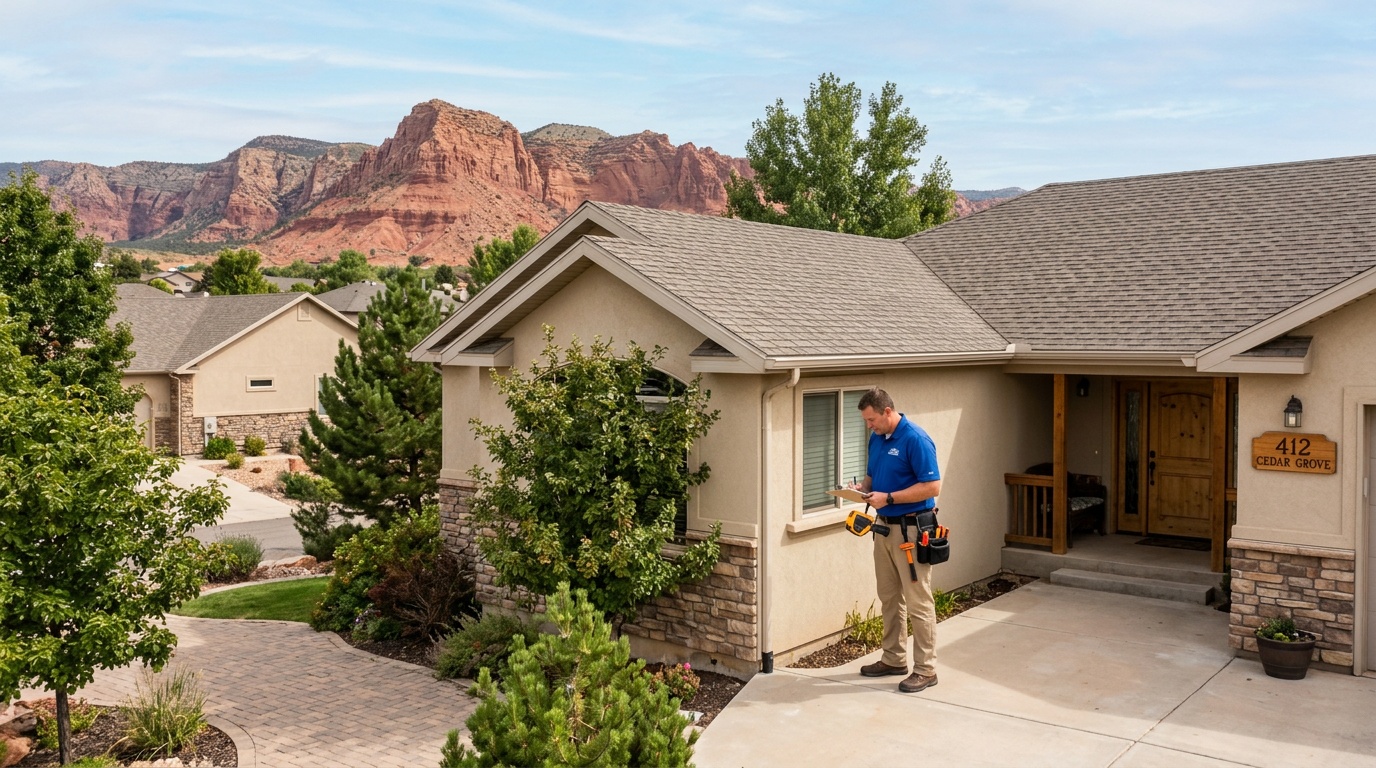
Touring properties is arguably the most exciting part of the real estate journey. From historic mid-century builds near Southern Utah University to brand-new modern builds out in Enoch, the market is full of incredible opportunities. However, once you find the perfect property and your offer is accepted, the real investigative work begins. Whether you are looking at urban townhomes or rural estates stretching out to Beryl and Newcastle, due diligence is key.
Before you finalize the purchase of any property in Southern Utah, you must understand what is happening beneath the surface. Cosmetic updates like fresh paint and staged furniture can easily mask significant structural, electrical, and mechanical problems. Here with The Sam Dodd Team, we want our buyers to approach the due diligence period with total confidence. Knowing what to expect when evaluating Cedar City Homes for Sale empowers you to make a sound financial decision. Let’s dive into the hidden realities of local real estate and how the elements impact the homes we live in.
Table of Contents
- The Most Common Home Inspection Issues in Southern Utah
- Why a Cedar City home inspection is Non-Negotiable
- Smart Buying: Evaluating Properties
- FAQ: Navigating the Inspection Process
The Most Common Home Inspection Issues in Southern Utah
Because Cedar City, Utah sits at over 5,800 feet in elevation, the properties here are subjected to intense weather extremes. The rapid freeze-thaw cycles of our winters, combined with the dry, relentless UV exposure of our summers, put incredible stress on building materials. When evaluating the structural health of a home, whether it is an older property down in Kanarraville or a mountain cabin up near Mammoth Creek, these elements dictate exactly where inspectors look first.
- Foundation and Settling Anomalies: Southern Utah features soils with high clay content. When the ground is soaked by heavy winter snowmelt, the soil expands. During our arid, hot summers, that same soil rapidly dries and shrinks. This constant shifting exerts immense pressure on concrete foundations. Consequently, minor to moderate foundation settlement ranks high on the list of common home inspection issues we see locally. While tiny hairline cracks in basement concrete are typical and generally harmless, inspectors look for "stair-step" cracking in brickwork, bowing foundation walls, and doors or windows that stick. These are glaring indicators of differential settlement—meaning one side of the house is sinking into the earth faster than the rest.
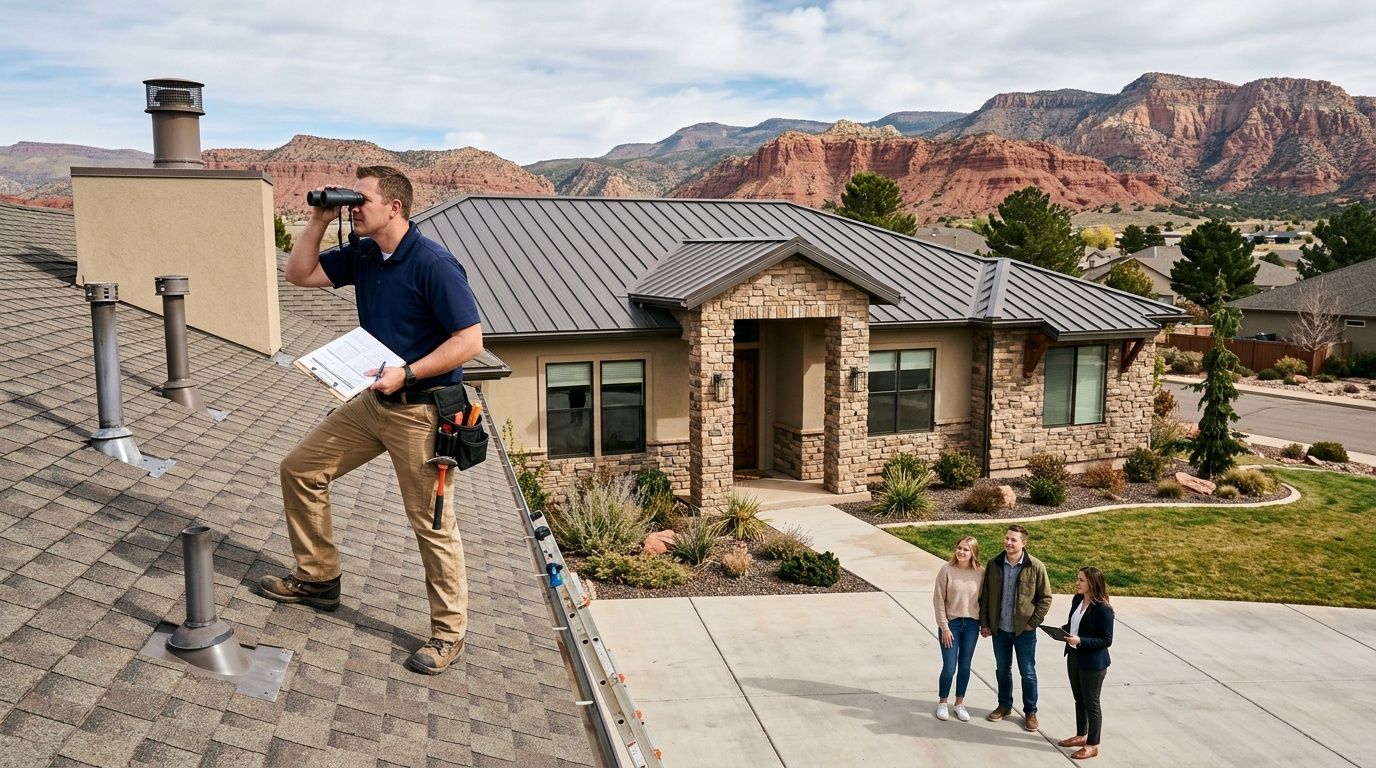
- Roofing Wear and Winter Damage: Your roof is your home's first line of defense. In St. George, the relentless sun can literally bake the life out of asphalt shingles, causing them to curl, crack, and lose their protective UV granules prematurely. Up here in Iron County, the primary culprit is heavy winter snow load and the resulting ice dams. An ice dam occurs when heat from the attic melts snow on the upper portion of the roof. The water runs down to the colder eaves and refreezes, creating a massive block of ice. This dam forces subsequent melting water to back up under the roofing shingles, directly into the home's attic and wall cavities. For an authoritative breakdown of how severe winter weather impacts residential roofing structures, you can review guidelines from the FEMA Building Science Branch.
- Overworked HVAC Systems: The temperature swings in our region mean that heating, ventilation, and air conditioning (HVAC) systems rarely get a break. A furnace might run non-stop in January, while the AC unit works overtime in July. Due to this heavy usage, inspectors frequently discover clogged filters, failing blower motors, or units that are simply operating past their intended 15-year lifespan.
Why a Cedar City home inspection is Non-Negotiable
Some buyers are tempted to waive their inspection contingency to make their offer more competitive in a hot market. We highly advise against this. An independent, professional evaluation protects you from inheriting someone else’s deferred maintenance. Even in surrounding communities like Parowan or Minersville, understanding a property's true condition is paramount.
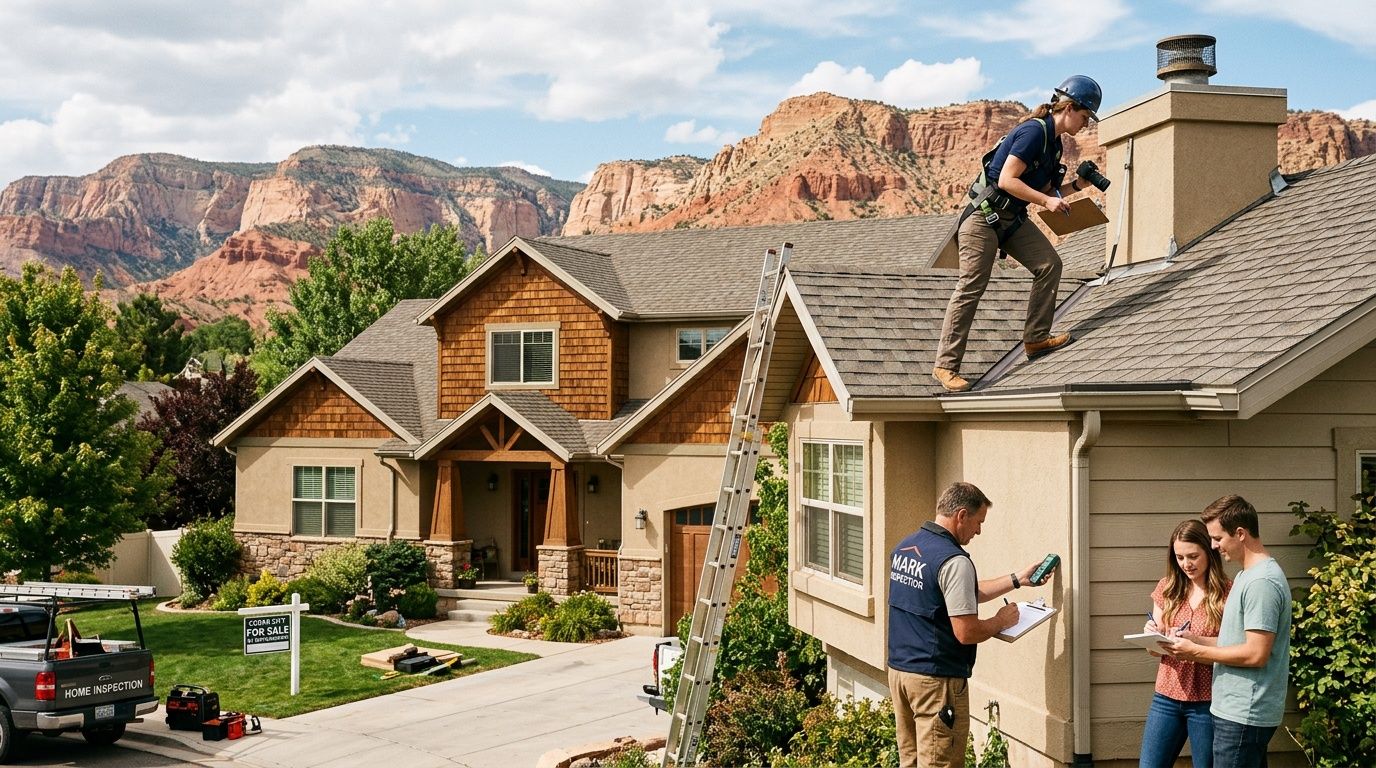
Modern inspectors utilize advanced technology to see what the naked human eye cannot. For instance, top-tier professionals use infrared thermal imaging cameras during their walkthroughs. This technology detects microscopic temperature variations behind drywall, immediately exposing hidden water leaks from plumbing, missing insulation, or overheating electrical components that pose a severe fire hazard. Without this technology, you could buy a home that looks flawless on the outside but harbors a hidden mold farm inside the walls. If you are curious about exactly what a certified professional evaluates, the American Society of Home Inspectors (ASHI) Standards of Practice provides an excellent, transparent checklist.
Smart Buying: Evaluating Properties
When the inspection report comes back, it is completely normal to feel overwhelmed. A thorough report can be 40 to 60 pages long and will list every single imperfection, down to a loose doorknob or a missing GFCI outlet cover. It is our job to help you separate the minor honey-do list items from the catastrophic red flags.
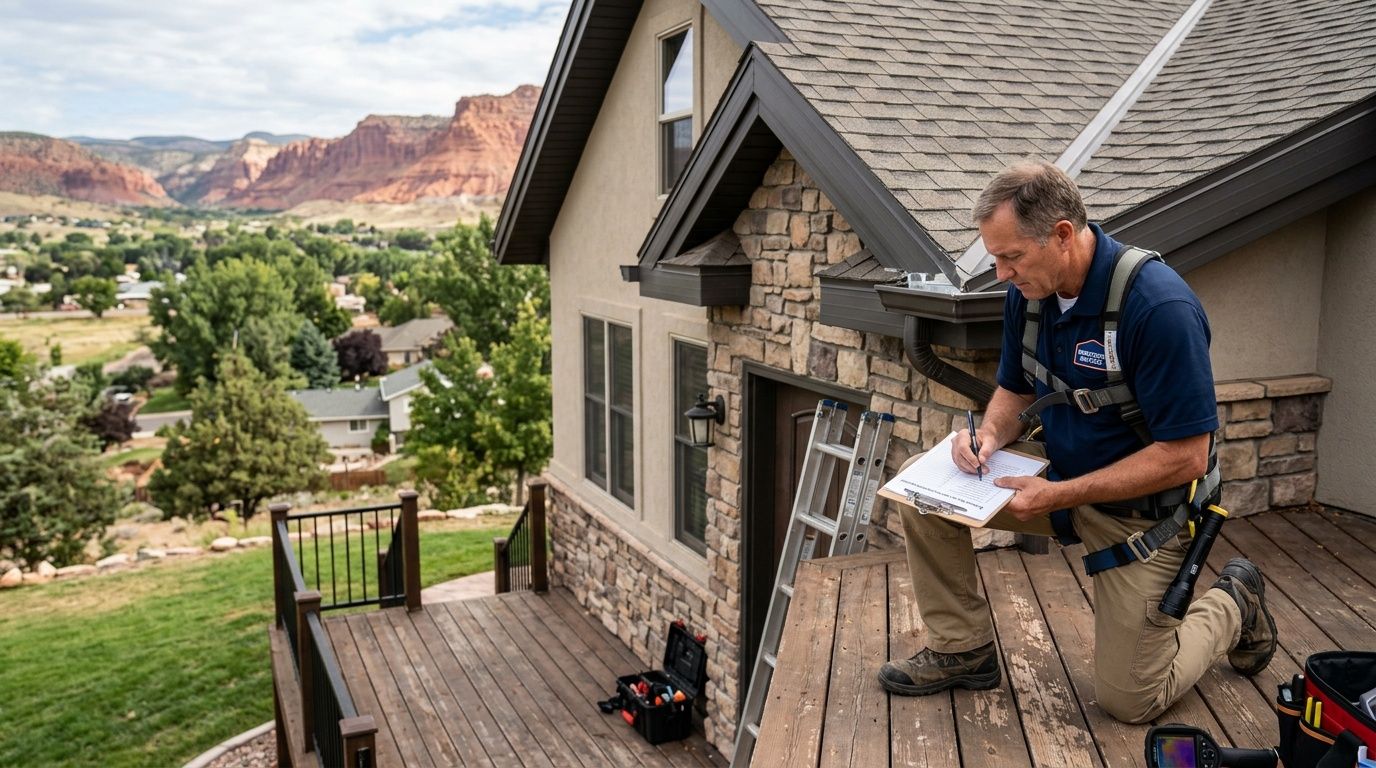
When looking at properties, we focus on the "Big Four" systems: Roof, Foundation, Plumbing, and Electrical/HVAC. If these core systems are robust, the home is generally a solid investment. If major deficiencies are found, we immediately step in to negotiate. We can ask the seller to complete the repairs before closing, request a credit so you can hire your own contractors later, or, if the damage is too severe, exercise your right to cancel the contract entirely and protect your earnest money.
FAQ: Navigating the Inspection Process
Q: Do new construction homes need to be inspected?
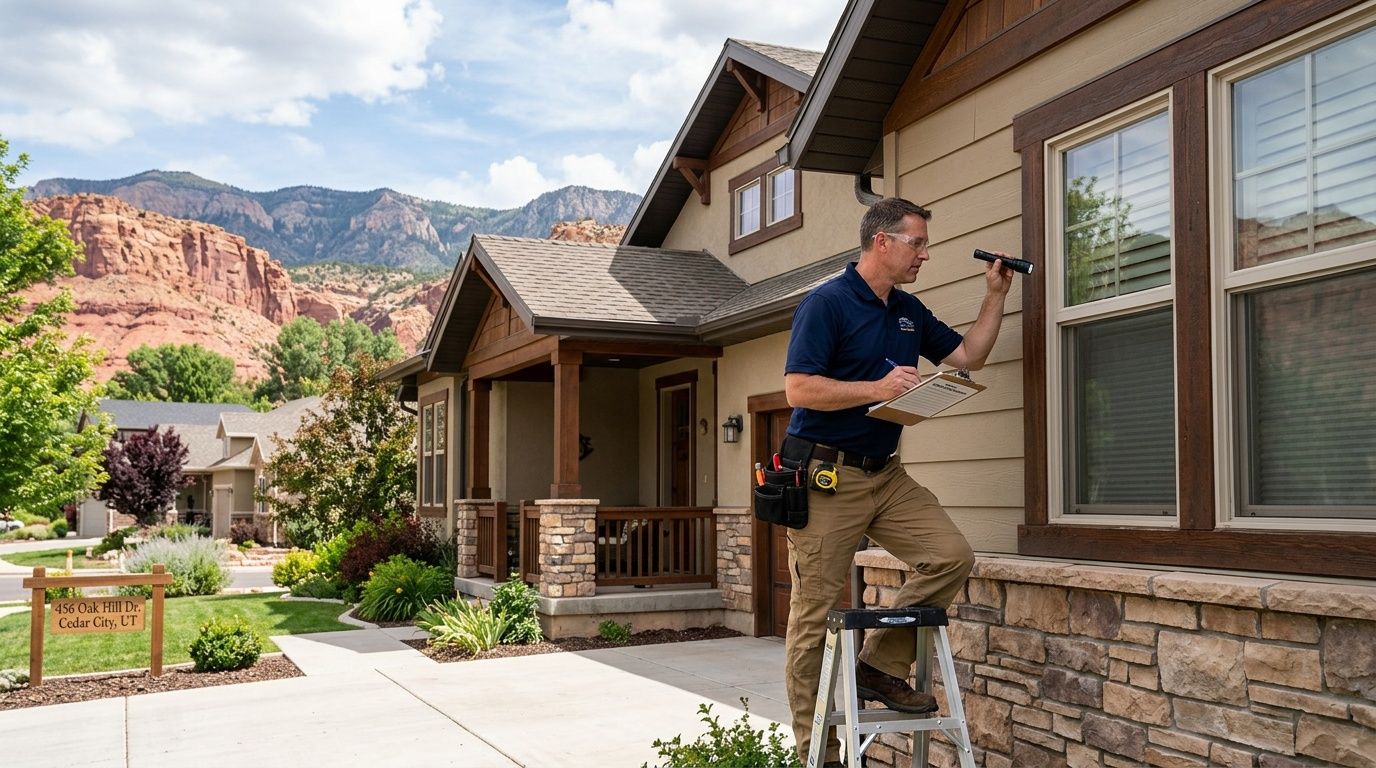
A: Absolutely. While it is brand new, a home is built by humans, and human error happens. We highly recommend hiring a third-party inspector to conduct a "pre-drywall" inspection to check the framing and rough plumbing/electrical, as well as a final inspection before you close. Municipal code inspectors are looking for basic life-safety compliance; private inspectors are looking for long-term quality and durability.
Q: Can the seller refuse to fix common home inspection issues?
A: Yes. In Utah, most real estate transactions operate "as-is." The seller is not legally obligated to fix anything unless explicitly negotiated in an addendum. If they refuse to address major common home inspection issues, and you are within your due diligence deadline, you have the right to walk away from the deal without penalty.
Q: How much does a standard Cedar City home inspection cost?
A: Prices typically range from $350 to $600, depending heavily on the total square footage and age of the property. Additional specialized tests—like radon testing, mold sampling, or sewer scope scoping—will add to that baseline cost but provide invaluable peace of mind.
Understanding the physical realities of Southern Utah properties ensures that your real estate investment brings you joy, not a pile of unexpected contractor bills.
If you are ready to start looking for your perfect property among the latest Cedar City Homes for Sale, The Sam Dodd Team is here to guide you through every step of the process—from the first showing to the final inspection report.