

Categories
BuyingPublished February 21, 2026
Water Rights in Southern Utah 101: What Cedar City Buyers Should Know Before They Close

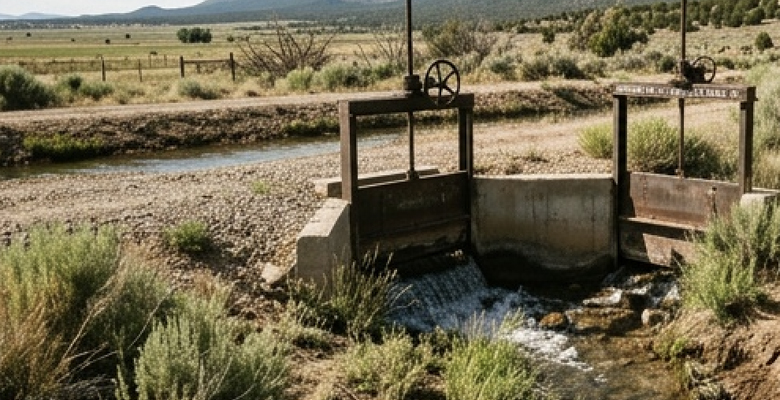
If you are buying a home or land in Cedar City, you are smart to ask about water early. In Southern Utah, water is not just a utility. It can also be a property asset, a legal right, or shares in a company, depending on what you are buying.
I have seen buyers get tripped up by a simple assumption: “The property has water, so it must come with water rights.” Sometimes that is true. Sometimes it is not. And sometimes the listing uses the word “water” when what they really mean is a culinary connection, irrigation shares, or a private well that still needs careful verification.
This guide is designed to help Cedar City buyers understand the basics in plain English, avoid the most common misunderstandings, and know what to verify before closing day.
- What Cedar City Buyers Usually Want
- Utah Water Rights Basics (In Plain English)
- The Most Important Distinction: Water Rights vs Water Shares
- What Cedar City Buyers Commonly See in Real Transactions
- How to Verify Water Rights in Utah
- Change Applications, Wells, and Red Flags
- The Closing Checklist: What Cedar City Buyers Should Confirm
- Final Thoughts From Sam
What Cedar City Buyers Usually Want
Do typical Cedar City homes come with “water rights”?
Most in-town homes receive culinary water service through a municipal or community system, which is not the same as the buyer receiving a separate, transferable water right. A home can have reliable water service without you owning an individual water right.
What is the difference between a water right and water shares?
A water right is the legal right to divert and beneficially use water, administered by the Utah Division of Water Rights. Water shares are stock in a water company, and Utah law treats those shares differently than appurtenant water rights.
How do I look up a water right in Utah?
Use the Utah Division of Water Rights Water Right Search, then pull the scanned file documents using the records query page.
What should I verify before closing on land or irrigated property?
You should confirm what water is included (right vs shares vs service), the water right number or share certificate details, whether the place of use matches the parcel, and whether anything needs a change application.
Now let’s go deeper.
Utah Water Rights Basics (In Plain English)
In Utah, all waters are public, and people obtain rights to use water under a system that prioritizes “first in time, first in right.” That priority is typically tied to the date the water was put to beneficial use, or the filing date under the statutory process.
A standard Utah water right is defined by elements like:
- Beneficial use (domestic, irrigation, stockwatering, etc.)
- Priority date (who is senior when supplies are tight)
- Quantity (flow rate and/or annual volume)
- Source and point of diversion (where the water is taken)
- Place of use (where the water is legally used)
Why does this matter to a Cedar City buyer? Because two properties can look similar on a map, but have very different water realities. One might be on municipal culinary service only. Another might have irrigation shares for pasture. Another might have a private well and a specific domestic right. Those differences impact property value, monthly costs, future plans, and sometimes financing.
Also, Southern Utah is an arid region. Local planning documents for Iron County highlight reliance on aquifers with limited surface water, which is part of why water planning and management are such a big deal here.
The Most Important Distinction: Water Rights vs Water Shares
This is where real estate transactions can get messy if nobody slows down to define terms.
Water right
A water right is the right to divert and beneficially use water under Utah’s water law, administered by the Utah Division of Water Rights.
Water shares
Water shares are typically shares of stock in a mutual water company or irrigation corporation that delivers water to shareholders. Under Utah Code, the right to the use of water evidenced by shares of stock in a corporation is not a water right appurtenant to land.
That legal distinction matters because many buyers assume any “irrigation water” transfers automatically with the land. With shares, the transfer often requires specific steps like properly identifying the shares, ensuring they are transferable, and completing the company’s transfer process. Utah’s own consumer guidance and case summaries regularly emphasize that shares and water rights are treated differently.
What Cedar City Buyers Commonly See in Real Transactions

Scenario A: In-city home on culinary water
Many Cedar City homes receive culinary service through a municipal waterworks system. That system is operated and maintained by the city’s water division.
In this scenario, the buyer’s “water” is primarily a service connection, meter, and monthly utility billing. You are not usually buying a separate transferable water right for household use.
Scenario B: Home with secondary irrigation or an irrigation system
Some properties reference irrigation water for landscaping or small acreage. This can be where shares, turnout access, and rules become important. It is not enough to hear “it has irrigation.” You need to know:
- Is it shares in a company?
- Is it a documented water right?
- Is it an allotment through a system?
- How is it delivered, and what are the assessments?
Scenario C: Acreage, horse property, or farm ground
This is where water rights become most “real estate critical.”
These properties may involve:
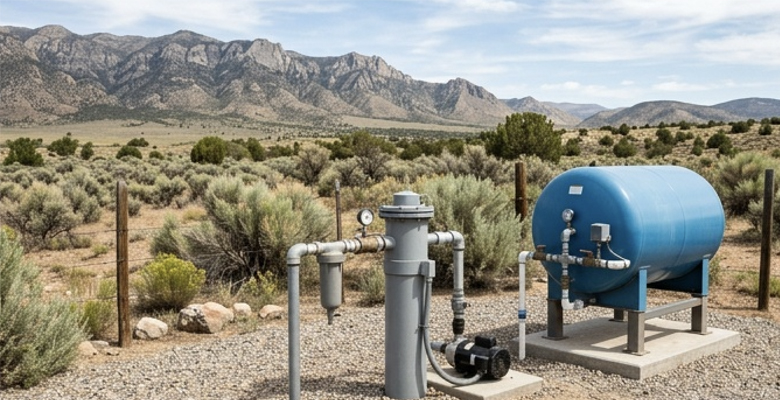
- A private well tied to a water right
- Irrigation shares in a company
- Stockwatering rights
- Historic use that does not match what the buyer wants to do
If you are buying land for animals, pasture, gardens, or future building, water due diligence is not optional. It is part of the value.
Scenario D: New build or subdivision
New builds can be straightforward for culinary service, but you still want clarity on what is included:
- Culinary meter and connection fees
- Any secondary irrigation connection or HOA irrigation system
- Landscaping requirements and irrigation expectations
How to Verify Water Rights in Utah
If someone says “the property has a water right,” you can confirm it.
Step 1: Use the Utah Division of Water Rights search tool
The Water Right Search lets you look up a right or application number and view key details.
Step 2: Pull the scanned documents
Utah maintains scanned documentary files for each water right and makes them accessible through its records query page. This often includes applications, correspondence, and supporting documents.
Step 3: Confirm the place of use matches the parcel
This is a big one. A seller might own a water right, but the place of use could be tied to a different parcel or a historic location. You want to see that the right can legally be used where you intend to use it.
Step 4: Confirm ownership and status
Is the right in the seller’s name? Are there any pending changes? Is it in good standing? These details can matter for transfer and use.
Change Applications, Wells, and Red Flags
Sometimes a buyer wants to do something different than the historic right allows. For example:
- Move the place of use
- Change the point of diversion
- Change the type of use
In Utah, changing key elements of a water right typically requires filing the appropriate paperwork, commonly through an “Application for Permanent Change of Water,” depending on what is being changed.
If the property uses a well, you also need to understand that Utah regulates well-related activities through the State Engineer and the Division of Water Rights, including rules for drilling, replacing, and related work.
Red flags I want buyers to catch early
- “I think the shares are included but I cannot find the certificate.”
- “The water right is in a prior owner’s name.”
- “The water has been used on a different field than the parcel being sold.”
- “There is irrigation, but no turnout access or delivery agreement.”
- “There are unpaid assessments tied to the shares.”
- “The listing uses vague terms like ‘water available’ without specifics.”
None of these automatically kill a deal, but they do require clarification before you remove contingencies.
The Closing Checklist: What Cedar City Buyers Should Confirm

Here is the practical checklist I want buyers to complete before signing final documents.
- A) Define what “water” means in the contract
Make sure the purchase contract is clear about what is included:
- Municipal culinary service only
- A specific water right by number
- Specific water shares by company and share amount
- Well and equipment included
- B) Get the identifiers
For water rights:
- Water right number
- Documentation showing ownership and place of use
For shares:
- Company name
- Number of shares
- Certificate or account identifier
- Transfer requirements and fees
- Any assessments due
- C) Confirm transfer process and timing
Some transfers are not instant. A share transfer may require company processing after closing. A water right ownership update can involve documentation and filing. Utah provides forms for various water right activities, but buyers should understand who is responsible for submitting what.
- D) Match the water to your intended use
If you are buying acreage and plan to irrigate, confirm the water type, quantity, and lawful place of use support that plan. If your goal is simply household culinary use, confirm the connection and service provider.
Final Thoughts From Sam
Water rights in Southern Utah do not have to be intimidating, but they do need to be handled with care. The big win is clarity.
Before you close, you should know exactly what you are buying: a culinary connection, a water right, water shares, a well system, or a mix. You should also know how transfer works and whether anything needs additional paperwork.
If you want help reviewing a property’s water situation before you decide to buy or sell, reach out to me directly. I will help you ask the right questions early, coordinate with title and the seller, and make sure you go into closing day with confidence.

Sam Dodd
Operator/Agent | Sam Dodd Team | eXp Realty | PLACE
or another way