

Categories
Buying/SellingPublished October 25, 2026
Contingent Offers Across State Lines: How to Coordinate Selling in San Diego While Buying in Southern Utah.


Contingent Offers Across State Lines: How to Coordinate Selling in San Diego While Buying in Southern Utah
Your San Diego home is on the market, and you're ready to buy in Southern Utah. Here's what you need to know about coordinating two real estate transactions when the money from one is needed to close the other.
Selling a home in San Diego and buying another in Southern Utah can put you in an unusual financial position. You may have enough equity in your California property to make a substantial down payment, or even purchase your next home outright. The problem is that the money is still tied up in the house you're selling.
Meanwhile, you've started finding properties in Cedar City, Enoch, or the surrounding Iron County communities that you're seriously interested in purchasing. You don't necessarily want to wait until your San Diego sale is finished to make an offer. Doing so could mean missing out on a property that fits what you're looking for.
A contingent offer on a house provides one possible way to manage that situation. It allows you to negotiate a Utah purchase agreement that depends on the sale of your existing property, subject to the specific terms accepted by the seller.
Coordinating the transactions requires more thought than picking two closing dates. The timing of California escrow, the availability of your sale proceeds, your Utah purchase deadlines, and your lender's requirements all influence what you can safely commit to.
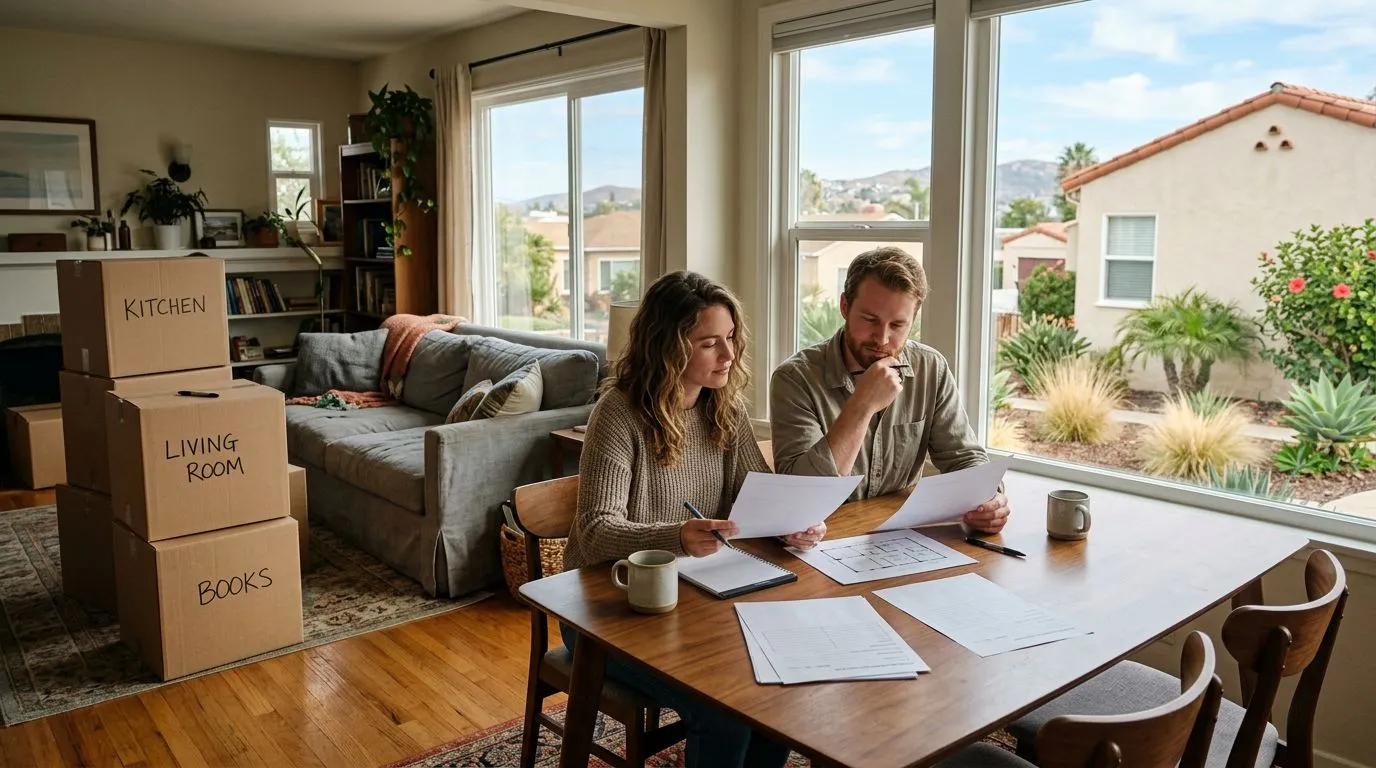
Table of Contents
- What a Contingent Offer Actually Means When You're Buying in Utah
- Should You Sell First, Buy First, or Coordinate Both Closings?
- Why the San Diego Escrow Timeline Controls Your Utah Purchase
- Building a Two-State Closing Calendar That Can Survive a Delay
- What Happens if Your California Buyer Delays or Cancels?
- Southern Utah Property Due Diligence Cannot Wait for the California Sale
- How The Sam Dodd Team Helps Coordinate the Southern Utah Side
- Five Questions to Answer Before Making Your Utah Offer
- Frequently Asked Questions
- Coordinate Your San Diego Sale and Southern Utah Purchase
What a Contingent Offer Actually Means When You're Buying in Utah
If the equity in your San Diego property will fund your Utah purchase, the first question is whether the sale needs to close before you can complete the new transaction.
There's an important distinction between needing the proceeds for your down payment and needing to sell the existing house to qualify for financing. You might have enough cash available for a down payment but still need the California mortgage paid off to satisfy your lender's debt-to-income requirements. Alternatively, you might qualify while carrying both homes, giving you more flexibility in negotiating the Utah offer.
For homeowners buying a house contingent on selling, Utah has a specific contractual mechanism available. The Utah Association of REALTORS publishes the Subject to Sale of Buyer's Property Addendum, commonly identified as Form 18B, for use with the state's Real Estate Purchase Contract.
The addendum can establish conditions tied to selling your existing home. What those conditions protect, when they expire, and what happens if the sale doesn't close depend on the actual language of your agreement.
Important Contract Consideration
Sale contingencies depend on the specific provisions accepted by the Utah seller. Before signing, confirm the applicable deadlines, notice requirements, and circumstances under which the buyer may terminate the contract.
What the Utah Seller Wants to Know About Your San Diego Property
Your California home's status matters considerably when submitting a contingent offer on a house.
If the property hasn't been listed, a seller in Cedar City has little certainty about when your sale might happen. If you're already in escrow, with inspections completed and financing progressing, there's more information available for the seller to evaluate.
An established closing date also gives the Utah seller something concrete to consider when reviewing your proposed settlement timeline.
Depending on the agreement, the seller may request a time-clause provision allowing the property to remain on the market while your California sale progresses. Such provisions can establish additional notice requirements and decisions if another buyer appears.
The exact terms are negotiable. You should understand what you're agreeing to before submitting an offer, especially if removing a contingency could leave you obligated to purchase before your California funds are available.
Should You Sell First, Buy First, or Coordinate Both Closings?
There's no universal answer to whether you should complete the San Diego sale before making your Utah purchase. Much depends on how you're financing the new property, how far along your California sale has progressed, and whether you have somewhere to stay between the two transactions.
For homeowners considering selling and buying a house at the same time, three approaches are worth discussing with their agents and lender.
Selling Your San Diego Home Before Purchasing
Completing the California sale first removes much of the financial uncertainty.
You'll know how much equity is available after paying off the mortgage and accounting for selling expenses. Your Utah purchase budget can be based on actual proceeds, and you may be able to make an offer without a home-sale contingency.
The disadvantage is the gap between homes.
If your San Diego property closes before you've secured a home in Southern Utah, temporary accommodations and storage may become necessary. You also lose some control over which homes will be available when you're ready to purchase.
For buyers who are flexible about their moving date or haven't settled on a particular Southern Utah community, this can still be a sensible option.
Coordinating Both Transactions
If your San Diego home is already under contract, coordinating the transactions may let you secure a Utah property before your California sale closes.
This requires a clear understanding of outstanding buyer contingencies, anticipated proceeds, lender conditions, and the dates established in both purchase agreements.
You'll also want some breathing room between the closings. Even a relatively straightforward California escrow can encounter delays, and your Utah closing shouldn't depend on funds arriving at the last possible moment.
Purchasing Before Your California Sale Closes
Some homeowners can qualify for the Utah purchase without immediately selling their existing property.
That might involve available savings, bridge financing, a home equity line of credit, or qualifying for a new mortgage while carrying the California property.
Each option has different borrowing costs and qualification requirements. A HELOC or bridge loan also creates obligations that need to be considered if your California home takes longer to sell.
Ask your lender to evaluate your specific financial situation before assuming one of these arrangements will work.

Why the San Diego Escrow Timeline Controls Your Utah Purchase
The California transaction deserves close attention throughout your Utah home search.
Even after you've accepted an offer, the buyer may still need to complete inspections, finalize financing, obtain an appraisal, or resolve issues discovered during escrow.
If you've negotiated repairs or credits, those items may need to be documented before the sale can proceed. Title issues and lender requirements can create additional delays.
A closing date on the calendar is useful for planning, but it isn't confirmation that the transaction will finish on schedule.
When Your California Equity Becomes Available
One of the biggest practical issues with buying a house in another state is coordinating the money between separate closing companies.
Your San Diego sale must complete the required closing and recording steps. The escrow company then needs to calculate and distribute the proceeds according to its instructions and the transaction's requirements.
Your Utah settlement provider must receive acceptable funds in time to complete the purchase.
Those steps don't always happen simultaneously.
If your California sale is scheduled to close Friday morning, you shouldn't assume the proceeds will be ready for a Utah purchase that afternoon. The actual timing depends on recording, escrow disbursement, banking processes, and the Utah settlement company's funding requirements.
Have both closing teams discuss the expected funds transfer before you establish your final settlement date.
For security, independently verify wiring instructions using a trusted phone number. Real estate transactions are frequent targets of wire-fraud attempts, particularly when large proceeds are moving between accounts.
Protecting Your Sale Proceeds
Never rely solely on wiring instructions sent by email. Contact your escrow or settlement company through a previously verified telephone number before transferring funds. A last-minute change in payment instructions should be independently confirmed.
Building a Two-State Closing Calendar That Can Survive a Delay
Once your San Diego sale is under contract, the next step is comparing its critical dates with the Utah purchase timeline.
The standard Utah Real Estate Purchase Contract includes separate deadlines for due diligence, financing and appraisal, and settlement. A sale contingency should not be assumed to extend those other deadlines automatically.
This is why the purchase contract and any accompanying addenda need to be reviewed together.
How the Two Transactions Might Be Sequenced
The following is an illustrative example, using hypothetical dates to show how the transactions can be coordinated.
| Date | Transaction Milestone |
|---|---|
| November 2 | Your San Diego home enters escrow. Review the buyer's inspection, appraisal, and financing deadlines. |
| November 9 | You secure a Southern Utah purchase agreement with negotiated terms addressing the California sale. |
| November 16 | Complete the applicable Utah due diligence investigations and review the property and title information. |
| December 2 | Target California closing. Confirm recording, disbursement, and availability of the sale proceeds. |
| December 7 | Target Utah settlement, assuming financing, funds, and other closing requirements are satisfied. |
The dates are examples only. Actual contract deadlines, contingency terms, and funding schedules must be negotiated for each transaction.
The separation between the closings allows some additional time for processing the California proceeds. It doesn't eliminate the possibility of delays, but it avoids making the entire transaction dependent on a same-day transfer.
Lender timing also matters. For mortgages covered by the federal Closing Disclosure requirement, the lender generally must provide the disclosure at least three business days before consummation. Certain material changes can require a new waiting period.
Additional information about the Closing Disclosure requirement is available from the Consumer Financial Protection Bureau.
Make Sure Both Sides Are Working From the Same Dates
Your California listing agent and escrow officer need to know that the proceeds are funding another purchase.
Your Utah real estate agent and settlement company should know the California closing date, the remaining contingencies, and when the funds are expected.
Your lender needs an accurate picture of both transactions.
When a California buyer requests an extension, that information should reach the Utah side immediately. Addressing the problem early gives everyone more opportunity to discuss amendments or alternative arrangements before contractual deadlines are missed.

What Happens if Your California Buyer Delays or Cancels?
One of the main reasons to consider a contingent offer on a house is that your California sale may encounter problems outside your control.
The consequences depend on the protections negotiated in your Utah agreement.
Your San Diego Buyer Needs More Time
A financing delay, appraisal problem, or unresolved inspection issue can push back the California closing.
If your Utah settlement depends on the sale proceeds, you may need to request an extension from the Utah seller.
That extension isn't automatic. The seller has to agree to the proposed changes, which should be properly documented before the applicable deadlines.
Your California Sale Falls Through
If your San Diego buyer cancels, the status of your Utah contract becomes especially important.
A properly negotiated sale contingency may provide a contractual path for addressing the failed sale. However, whether the buyer can terminate, what notices are required, and how earnest money is handled depend on the signed documents and the circumstances.
Don't assume that simply including a contingency guarantees your entire deposit will be returned.
The Utah Seller Receives Another Offer
A Utah seller who accepts a contingent purchase agreement may also negotiate provisions allowing continued marketing of the property.
If another offer arrives, the agreement may require you to make a decision within a specified period.
Removing a contingency can increase your exposure if the California transaction is still uncertain. Before agreeing, confirm with your lender and real estate professional whether you could actually complete the Utah purchase without those proceeds.
Before Removing a Sale Contingency
- Confirm the status of the California buyer's remaining contingencies.
- Verify whether the Utah purchase can be funded without the California sale proceeds.
- Review earnest money obligations and applicable contract deadlines.
- Understand any notice requirements associated with a seller's competing offer.
Southern Utah Property Due Diligence Cannot Wait for the California Sale
Coordinating two closings shouldn't distract you from evaluating the property you're buying.
There are meaningful ownership differences between Southern California and Iron County, and some of them become particularly important when purchasing remotely.
An established Cedar City subdivision may have HOA restrictions that affect RV parking, detached garages, exterior modifications, or other improvements you're considering.
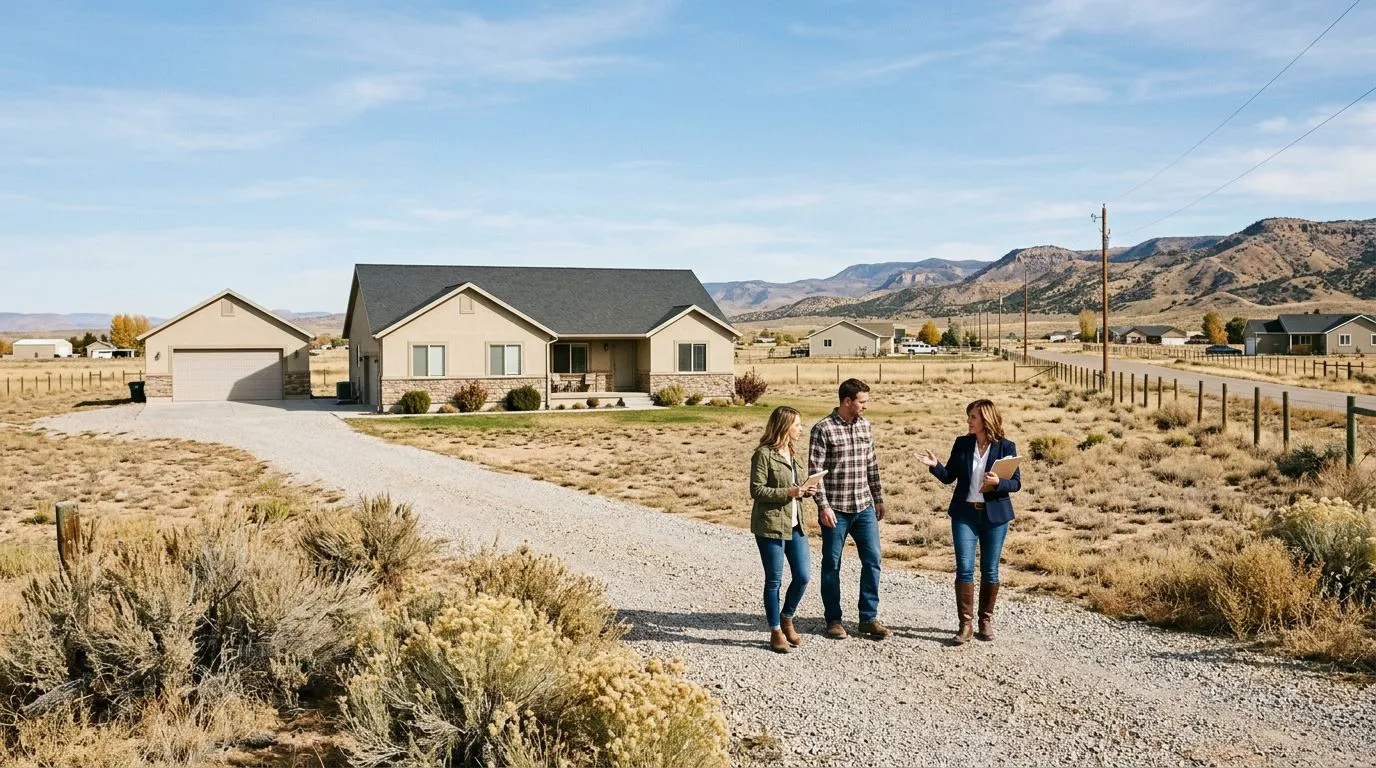
If you're looking at acreage around Enoch or outside Cedar City's municipal limits, you'll want a closer look at zoning, utility availability, legal access, water, and the permits required for your intended use.
Don't assume that a larger lot or the absence of an HOA means you can build or use the property however you want.
Water is another consideration that deserves early attention. A municipal culinary water connection, an existing well, and separately held water rights are different arrangements. Our guide to water rights in Southern Utah explains several distinctions buyers should investigate before purchasing land or homes with unusual water arrangements.
For homeowners moving to Cedar City, Utah, much of the initial property search can happen remotely. Virtual tours, property disclosures, and communication with local professionals are useful, but they shouldn't replace the inspections or investigations appropriate to the property.
Your Utah due diligence deadline may arrive well before the California sale closes. Arrange the necessary investigations early enough to make an informed decision.
How The Sam Dodd Team Helps Coordinate the Southern Utah Side
The California sale and the Utah purchase are separate transactions, but the people handling them need to understand how one affects the other.
Our role at The Sam Dodd Team is to help you evaluate your Southern Utah options, prepare and negotiate your purchase, and keep the Utah transaction moving through its required steps.
For clients buying a house contingent on selling, that starts with understanding the existing property's status and discussing the purchase timeline before making commitments.
We can help you review available Southern Utah homes, compare property types and locations, and work through the due diligence requirements associated with your intended purchase.
The details can vary considerably depending on where you're buying. A conventional home in Cedar City presents different questions from rural property in Iron County or a recreational property near Brian Head.
Our published home buying process covers offer preparation, inspections, appraisal, lending, and transaction coordination. Our team can communicate with your California-side professionals and Utah lender as the purchase progresses.
Your California listing agent remains responsible for handling the California sale. Clear communication between both sides helps everyone plan around the deadlines that matter.
Five Questions to Answer Before Making Your Utah Offer
Before committing to a property, have a detailed conversation with your agents and lender about the financial and logistical side of selling and buying a house at the same time.
- How far along is your California sale? A home that's newly listed presents a different level of uncertainty from one approaching the end of escrow.
- How much equity will actually be available? Your expected sale price isn't the amount you'll receive after mortgage payoff, selling expenses, and other obligations.
- Can you qualify before selling? Your lender should evaluate whether the California mortgage must be paid off before the Utah loan can close.
- What happens if you have a gap between homes? Consider temporary housing, storage, travel, and possession arrangements rather than relying on perfectly synchronized closings.
- Which Utah deadlines arrive before the San Diego sale closes? Understand your earnest money obligations, contingency provisions, due diligence period, and financing requirements before signing.
A clear answer to each question makes it easier to select an appropriate offer structure.
Frequently Asked Questions
Coordinate Your San Diego Sale and Southern Utah Purchase
If you're moving to Cedar City, Utah, you can begin evaluating properties and preparing your purchase strategy while your California home is still on the market.
The best arrangement depends on the progress of your sale, your financing, and what you want from your next property. Those are conversations worth having before you're facing a purchase deadline.
Contact The Sam Dodd Team to discuss your expected San Diego sale timeline and what you're looking for in Southern Utah. We can help you understand your local options and prepare for the purchase process.

Sam Dodd
Operator/Agent | Sam Dodd Team | eXp Realty | PLACE
or another way