
Published October 26, 2026
Lot Sizes and Acreage: Adjusting Your Expectations from Dense SoCal Suburbs to Iron County Space.

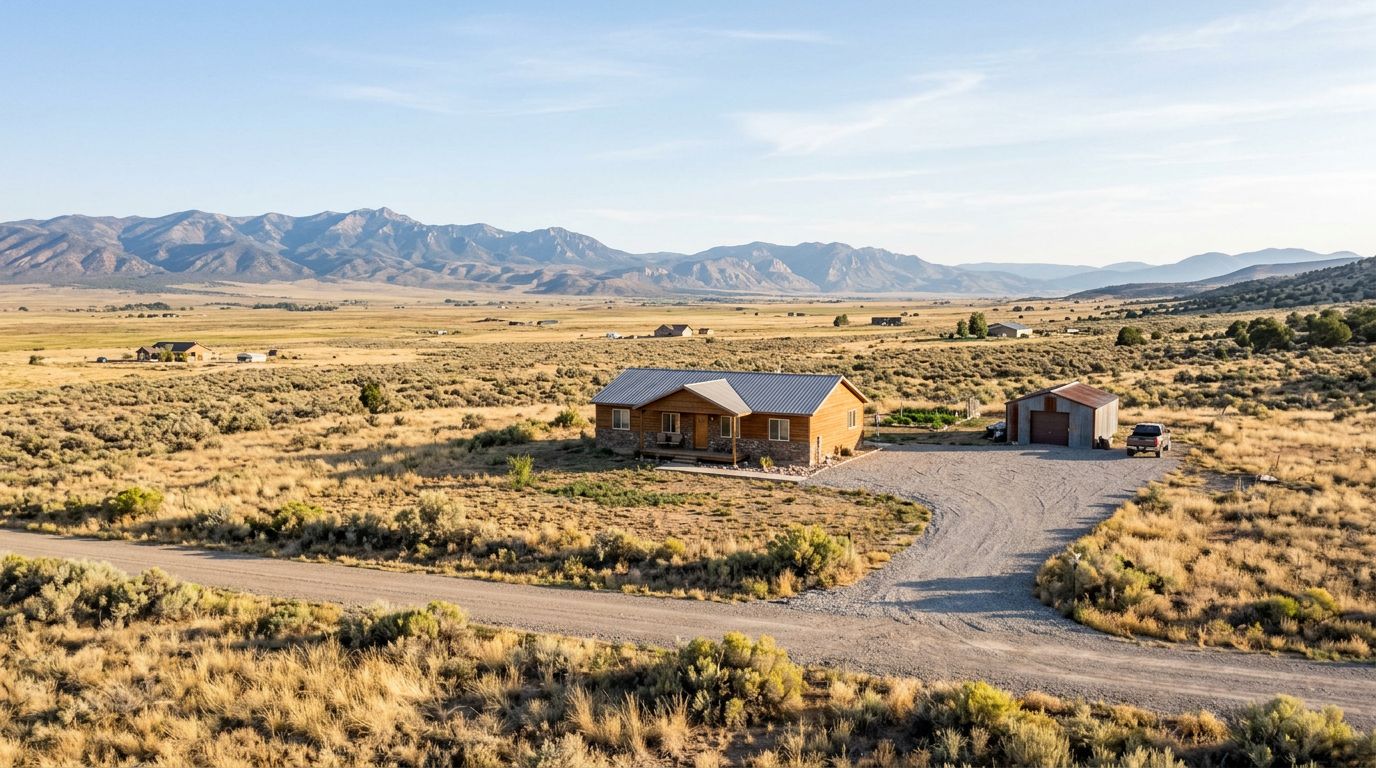
From larger backyards in Cedar City to rural acreage outside Enoch, here's what San Diego buyers should understand about lot sizes, usable land, and property ownership in Southern Utah.
If you're leaving a neighborhood in Carlsbad, Rancho Bernardo, or another developed part of San Diego County, one of the first things you may notice when searching for homes around Cedar City is the opportunity to purchase more land.
Maybe you've spent years wishing you had room for a larger garage, a garden that isn't pressed against the neighbor's fence, or somewhere to park a trailer without constantly rearranging the driveway.
Those are reasonable reasons to explore Iron County acreage, particularly if your next home is intended to accommodate hobbies or projects that were difficult to pursue on a smaller suburban lot.
But there's a considerable difference between purchasing a house on half an acre and acquiring five acres of rural land. The first might already have municipal utilities, a paved driveway, and a relatively manageable yard. The second could introduce private-road maintenance, water questions, septic requirements, and land-use restrictions.
Before deciding how much property you need, it helps to understand how Southern Utah lots are configured and what owning additional land actually involves.
- How Lot Sizes Compare Between San Diego Suburbs and Cedar City
- Cedar City, Enoch, and Rural Iron County Offer Different Kinds of Space
- What Can You Actually Do With a Half-Acre, One-Acre, or Five-Acre Property?
- Zoning, Easements, and Setbacks Determine How Much Land You Can Use
- Water, Septic, Utilities, and Roads: The Hidden Differences Between Lots
- More Acreage Means More Property to Maintain
- When Buying More Land Makes Sense and When It Doesn't
- How The Sam Dodd Team Helps Buyers Evaluate Lot Size and Property Potential
- Seven Questions to Ask Before Buying a Larger Property in Iron County
- Frequently Asked Questions
- Find the Right Amount of Space in Southern Utah
How Lot Sizes Compare Between San Diego Suburbs and Cedar City
Why Square Footage Tells Only Part of the Story
San Diego County has everything from compact subdivisions to substantial rural estates. The comparison depends on the neighborhood you're leaving.
Still, when you've spent years on a relatively small suburban parcel, the numbers in Southern Utah listings can attract your attention.
Consider these hypothetical property sizes:
| Lot Size | Equivalent Acreage |
|---|---|
| 6,000 square feet | 0.14 acres |
| 10,000 square feet | 0.23 acres |
| 21,780 square feet | 0.5 acres |
| 43,560 square feet | 1 acre |
| 217,800 square feet | 5 acres |
These examples illustrate scale rather than local average lot sizes.
A half-acre parcel contains more than three times the land of a 6,000-square-foot parcel. That can mean substantially more outdoor space, depending on the property's configuration.
A Larger Yard Can Make a Significant Difference
The amount of usable yard matters more than the parcel measurement alone.
An oddly shaped acre with a steep hillside, drainage channel, or utility easement may provide less practical space than a relatively level half-acre property.
When comparing Cedar City homes, look at the house's placement, driveway, garage, existing landscaping, and areas where additional structures might realistically fit.
You may discover that the larger backyard you've wanted doesn't require purchasing a rural estate.
A property's acreage describes its total size. Usable space depends on slope, drainage, setbacks, easements, existing structures, and local land-use rules. Compare what you can actually do with the land before choosing a property based on acreage alone.
Cedar City, Enoch, and Rural Iron County Offer Different Kinds of Space
Established Cedar City Neighborhoods
Within Cedar City, residential properties vary considerably by neighborhood and development period.
Older residential areas may offer established landscaping and different lot configurations, while newer subdivisions can provide contemporary homes on parcels designed around current development plans.
For many relocating buyers, the appeal lies in finding more outdoor space while retaining convenient access to shopping, schools, and municipal services.
Residential Properties in Enoch
Enoch deserves consideration if you're looking beyond Cedar City's immediate neighborhoods.
The city has its own residential zoning classifications, infrastructure requirements, and development patterns.
Some properties may offer the lot layout or building configuration you're seeking, although acreage and permitted uses must be verified individually.
Our guide to Enoch neighborhoods and subdivisions provides additional local context.
Rural Iron County Properties
Farther into unincorporated Iron County, including areas around Beryl and Newcastle, property characteristics can change substantially.
You may encounter larger parcels, different road conditions, and homes farther from municipal services.
When evaluating Cedar City land for sale, pay attention to whether the listing is actually within city limits or in an unincorporated county area.
That boundary determines which local zoning and development rules apply.
For a closer look at one rural area, see our guide to Beryl and rural Iron County living.
What Can You Actually Do With a Half-Acre, One-Acre, or Five-Acre Property?
Half-Acre Residential Properties
A half-acre lot may provide ample room for the outdoor features that motivate someone to leave a compact suburban property.
You might have space for landscaping, a play area, a garden, or additional vehicle parking.
The possibilities depend on the existing improvements and applicable restrictions.
An HOA may limit trailer parking, while zoning setbacks can influence where an accessory building is permitted.
One-Acre Homesites
One acre creates additional flexibility in property layout.
Buyers interested in detached workshops, substantial garages, or separated outdoor areas may find this size appealing.
However, a one-acre parcel doesn't automatically permit a large workshop or every type of recreational vehicle storage.
You still need to investigate building setbacks, lot coverage, access requirements, and permitted uses.
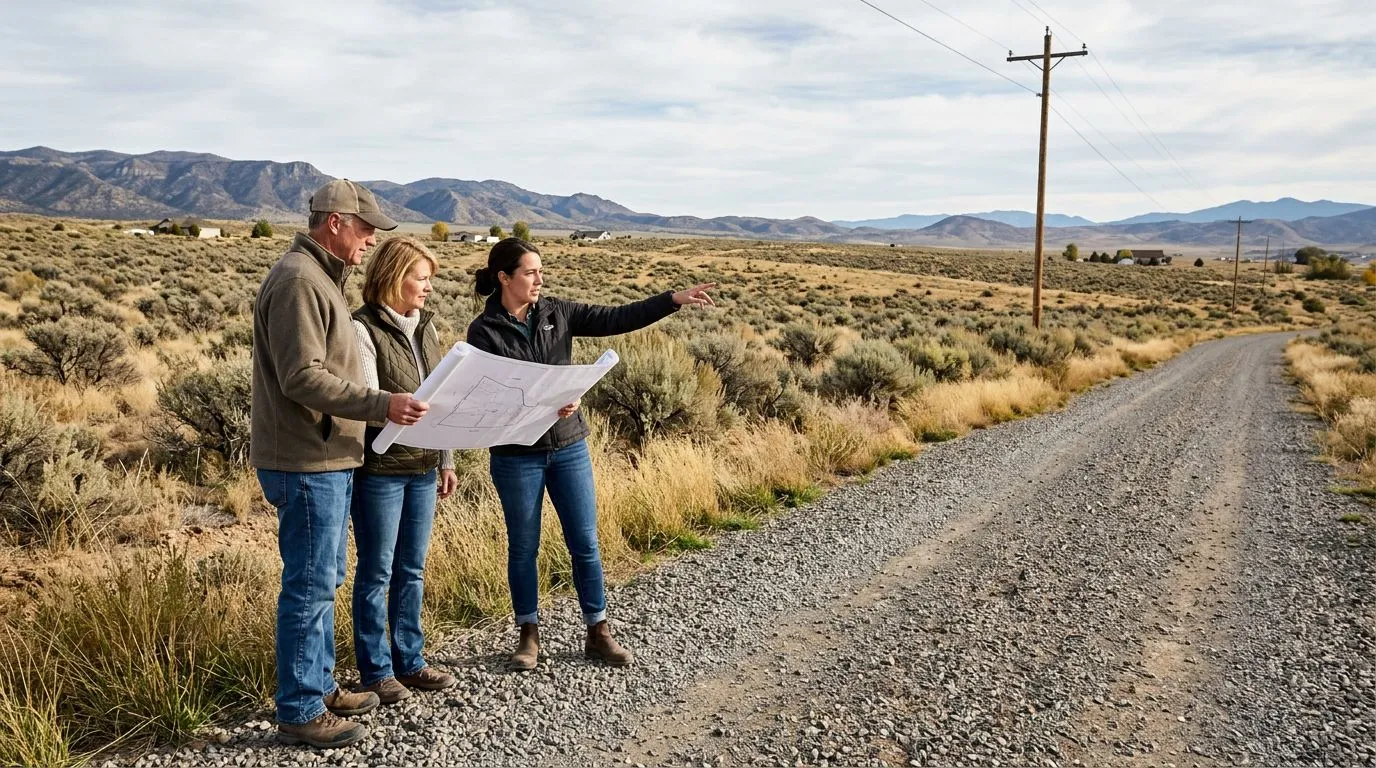
Several Acres of Rural Land
For buyers seeking homes with acreage, several acres may support a very different lifestyle.
Livestock, agricultural activities, outbuildings, and substantial outdoor projects may become realistic objectives when zoning and infrastructure allow them.
Our Iron County horse-property buying guide explains some of the additional considerations involved with animal-related properties.
The acreage figure establishes the size of the parcel. It doesn't establish permission for a specific activity.
- Half-acre lot: Consider usable yard space, parking arrangements, landscaping, and setbacks.
- One-acre homesite: Investigate opportunities for additional structures, garages, and outdoor projects.
- Several rural acres: Review zoning, water, access, wastewater requirements, and permitted agricultural or animal-related uses.
Zoning, Easements, and Setbacks Determine How Much Land You Can Use
Understand the Actual Zoning District
If you're seriously considering buying land in Iron County, determining the property's zoning classification should be an early step.
The county's published zoning standards include districts with minimum lot sizes of half an acre, one acre, two acres, and five acres, along with larger agricultural and rural classifications.
These are minimum development standards for particular districts, subject to other code provisions.
An existing parcel may have been legally created under different requirements.
Also, the county ordinance governs unincorporated areas. Cedar City and Enoch maintain separate municipal regulations.
Setbacks Can Change Your Building Plans
Imagine purchasing a one-acre lot intending to build a detached RV garage.
The available land might look substantial, but the proposed garage still needs to satisfy applicable setbacks, building coverage requirements, height limits, and other standards.
A utility easement could affect the location you originally had in mind.
The practical approach is to identify the intended improvements before purchasing and ask the appropriate planning or building department about feasibility.
Recorded Restrictions Matter Too
A parcel without an HOA may still have private covenants, access easements, or other recorded restrictions.
Review available title documentation and any relevant survey information.
If you're purchasing Iron County acreage specifically for a workshop, animals, or another planned use, obtain the necessary confirmations while your purchase contract still provides an appropriate opportunity for due diligence.
Water, Septic, Utilities, and Roads: The Hidden Differences Between Lots
Municipal Services Versus Rural Infrastructure
A serviced residential lot may already have utility connections, an established driveway, and access to public roads.
Vacant rural land can require considerably more investigation.
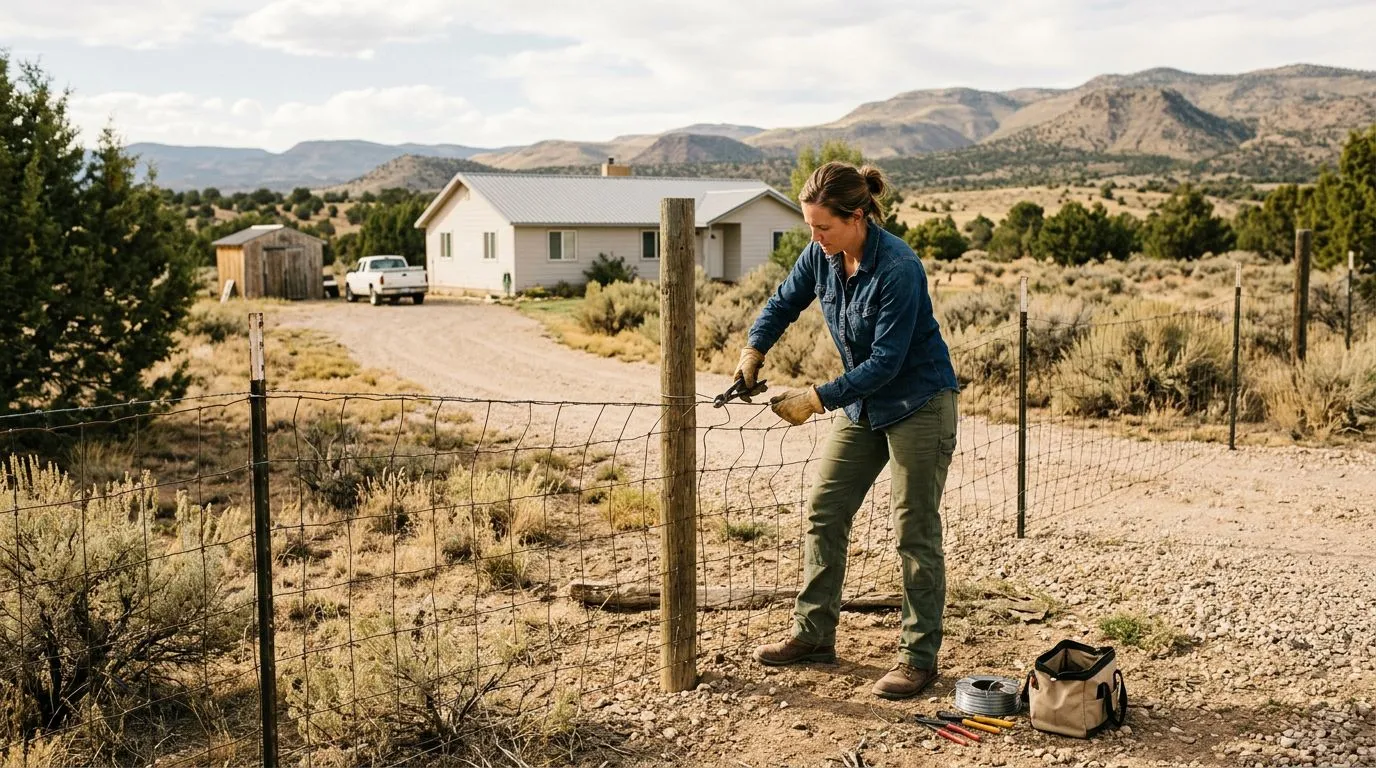
Before purchasing, establish whether electricity, culinary water, wastewater service, and practical road access are available.
A utility line visible near a property doesn't necessarily mean a connection is approved or available at an acceptable cost.
Water Rights and Water Availability
Water deserves particular attention in Southern Utah.
A municipal water connection is different from a privately owned well. Water shares and state-administered water rights can introduce additional legal and administrative questions.
Ownership of a parcel does not automatically provide unrestricted groundwater access.
The Utah Division of Water Rights maintains official resources for investigating water rights and related records.
Verify the actual water arrangement, connection requirements, and any claimed rights before committing to a property.
Septic Feasibility
Properties outside municipal sewer service may rely on on-site wastewater systems.
For undeveloped land, a proposed septic system can require site evaluation, soil information, regulatory approval, and sufficient appropriate space.
Iron County's subdivision requirements also address minimum lot sizes for certain new developments using septic systems where central sewer is unavailable.
Those provisions shouldn't be interpreted as a blanket rule applying to every existing septic-served parcel.
When researching Cedar City land for sale, distinguish an existing legal residential property from a vacant parcel that still needs approvals before construction.
Road Access and Maintenance
Rural roads can create responsibilities that buyers accustomed to suburban neighborhoods haven't previously encountered.
Determine whether access is provided by a public road, a private road, or a recorded easement.
Also investigate who maintains the road, what happens during winter storms, and whether the access arrangement accommodates the vehicles you intend to use.
A property can appear easily accessible on a map while presenting meaningful questions about legal or seasonal access.
Before purchasing undeveloped land, confirm utility availability, legal road access, wastewater feasibility, and the property's water arrangement. A vacant parcel's listing description should never replace verification with the relevant utility providers and government offices.
More Acreage Means More Property to Maintain
One of the appealing aspects of Iron County acreage is having room to spread out. But additional space requires attention.
A larger driveway may need snow removal. Fencing can require repairs, and extensive landscaping may introduce irrigation or vegetation-management responsibilities.
Rural parcels sometimes have limited improvements, but that doesn't necessarily eliminate maintenance.
Depending on the property's location, you may need to address weeds, drainage, defensible space, private-road upkeep, or existing outbuildings.
Before purchasing, consider how much time you're willing to spend maintaining the property.
If you enjoy gardening, working outdoors, and maintaining equipment, a larger parcel may suit you particularly well.
If your main objective is simply a backyard with greater separation from neighbors, a manageable residential lot might be more satisfying.
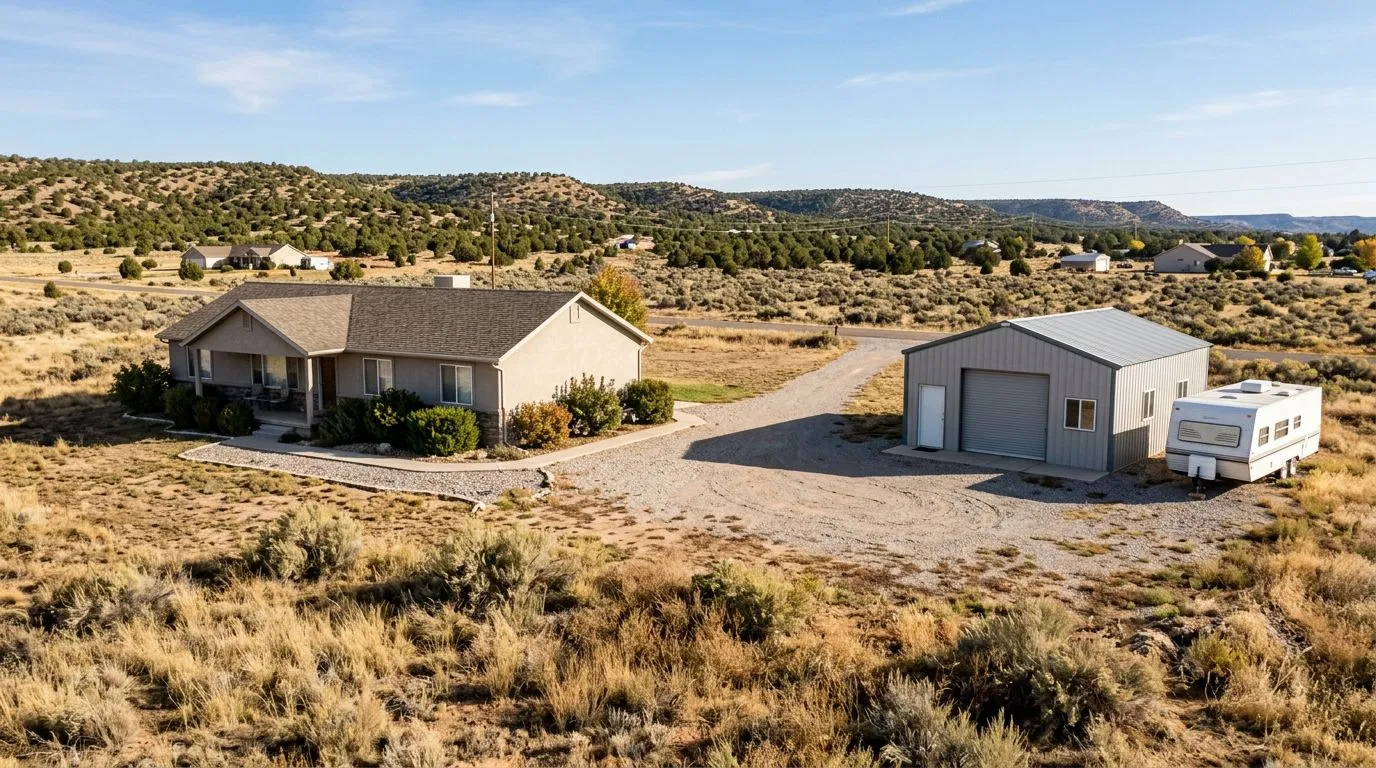
When Buying More Land Makes Sense and When It Doesn't
Your intended use should guide the amount of land you purchase.
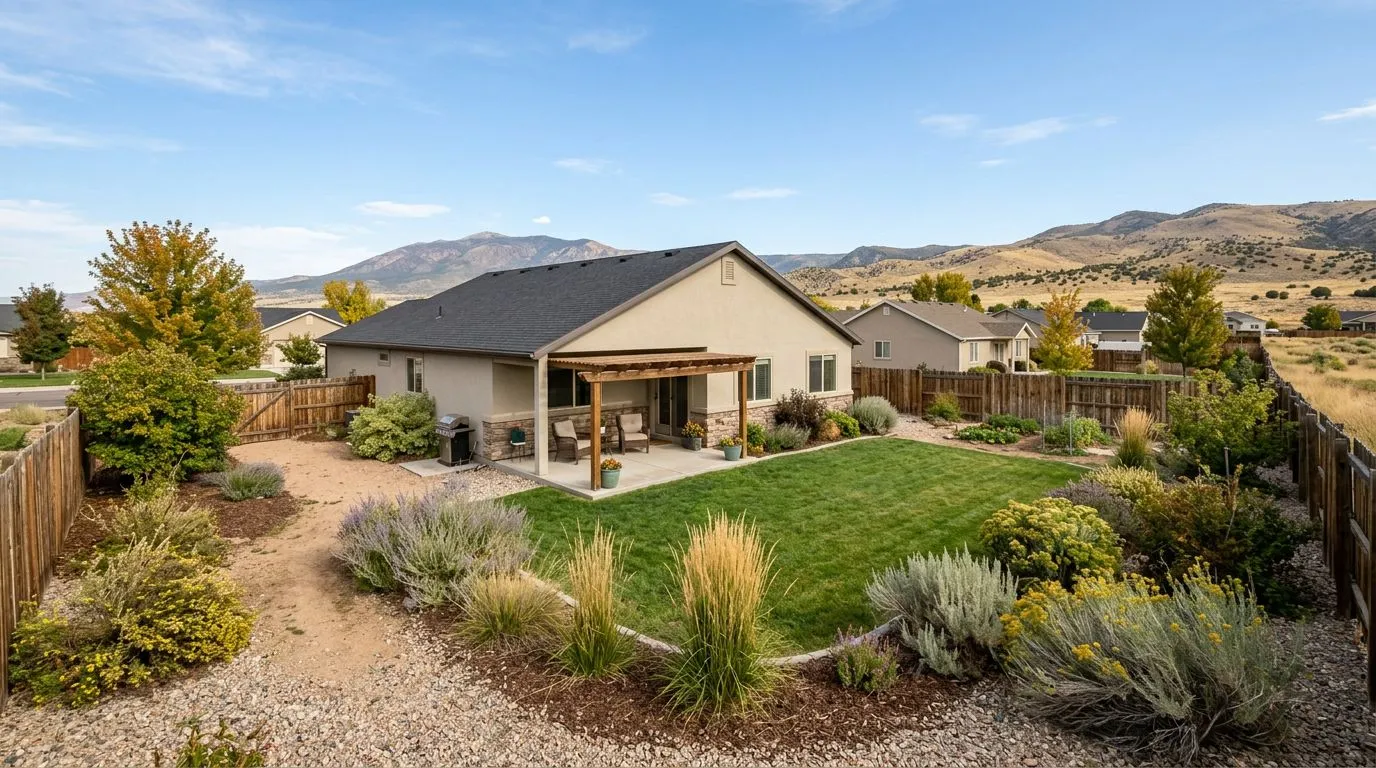
If you want a larger backyard, start by comparing serviced residential lots. You may find the space you need without taking on additional rural infrastructure responsibilities.
If you want a workshop or RV garage, focus on properties where the intended structure is feasible under the applicable rules. Driveway access, utility connections, and existing buildings deserve attention.
If you want animals, agriculture, or a custom rural property, the due diligence becomes more involved. You'll need a clear understanding of zoning, water, fencing, access, and development requirements.
The search for homes with acreage becomes much more productive once you've identified which activities the property needs to accommodate.
It also helps prevent you from paying for land you don't expect to use or maintain.
How The Sam Dodd Team Helps Buyers Evaluate Lot Size and Property Potential
At The Sam Dodd Team, we help buyers compare residential properties and land opportunities throughout Cedar City and the surrounding Southern Utah market.
That includes exploring properties in Enoch, reviewing available homes on larger parcels, arranging showings, and helping buyers work through the purchase process.
When buying land in Iron County, the specific intended use should influence the due diligence questions you ask.
We can help you identify relevant property information and coordinate the purchase process, while qualified surveyors, engineers, utility providers, and local authorities address technical questions involving boundaries, buildability, and approvals.
Our home-buying resources provide additional information about purchasing property in Southern Utah.
Seven Questions to Ask Before Buying a Larger Property in Iron County
Before making an offer on a larger parcel, investigate the following:
- What acreage and boundaries are documented? Review the legal description and appropriate survey information.
- How much land is usable? Consider slope, drainage, existing structures, and easements.
- What zoning applies? Confirm the parcel's jurisdiction and permitted uses.
- How is water provided? Verify connections, rights, shares, or well arrangements.
- Is access legally established? Investigate easements, road ownership, and maintenance.
- Can your intended improvements be approved? Check proposed garages, workshops, or other structures.
- What responsibilities come with ownership? Consider maintenance, utilities, fencing, and access.
These questions help turn an appealing acreage listing into a more informed property decision.
Frequently Asked Questions
Find the Right Amount of Space in Southern Utah
If you're moving from San Diego and exploring Iron County acreage, the best place to start is with a clear understanding of what you want to do with the property.
A larger backyard, a one-acre homesite, and a rural parcel can each offer something different.
Contact The Sam Dodd Team to discuss available properties around Cedar City, Enoch, and Iron County and find the amount of space that fits your plans.