
Categories
Buying/SellingPublished October 28, 2026
Mountain Architecture vs. Coastal Spanish: Understanding Cedar City's Popular Home Styles and Materials.

From red tile roofs and stucco courtyards to historic brick bungalows and mountain-inspired homes, here's what San Diego buyers should know about Cedar City's architecture before purchasing.
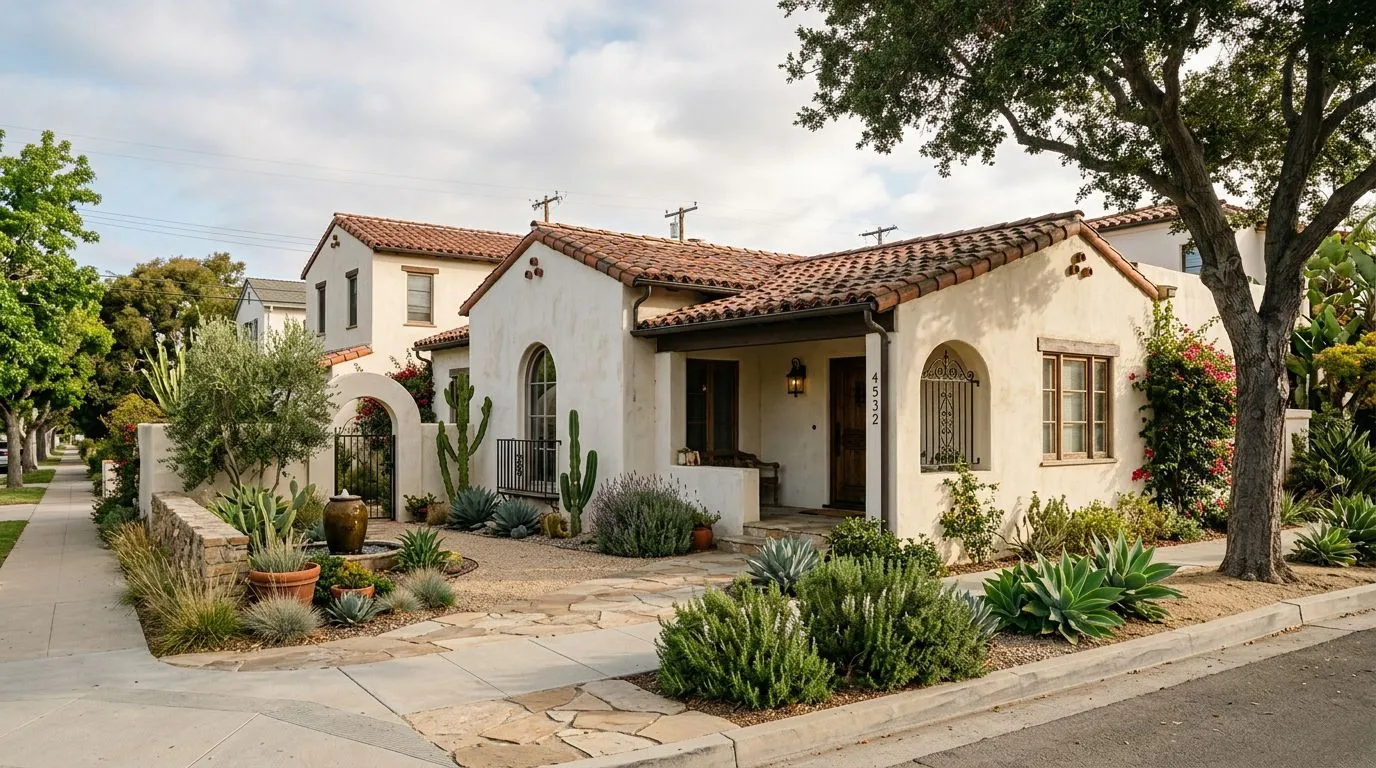
If you've spent years living in San Diego County, you're probably accustomed to seeing stucco exteriors, red clay tile roofs, arched entryways, and Mediterranean-inspired courtyards. Even newer developments throughout Carlsbad, Rancho Bernardo, and North County often borrow elements from Southern California's Spanish architectural traditions.
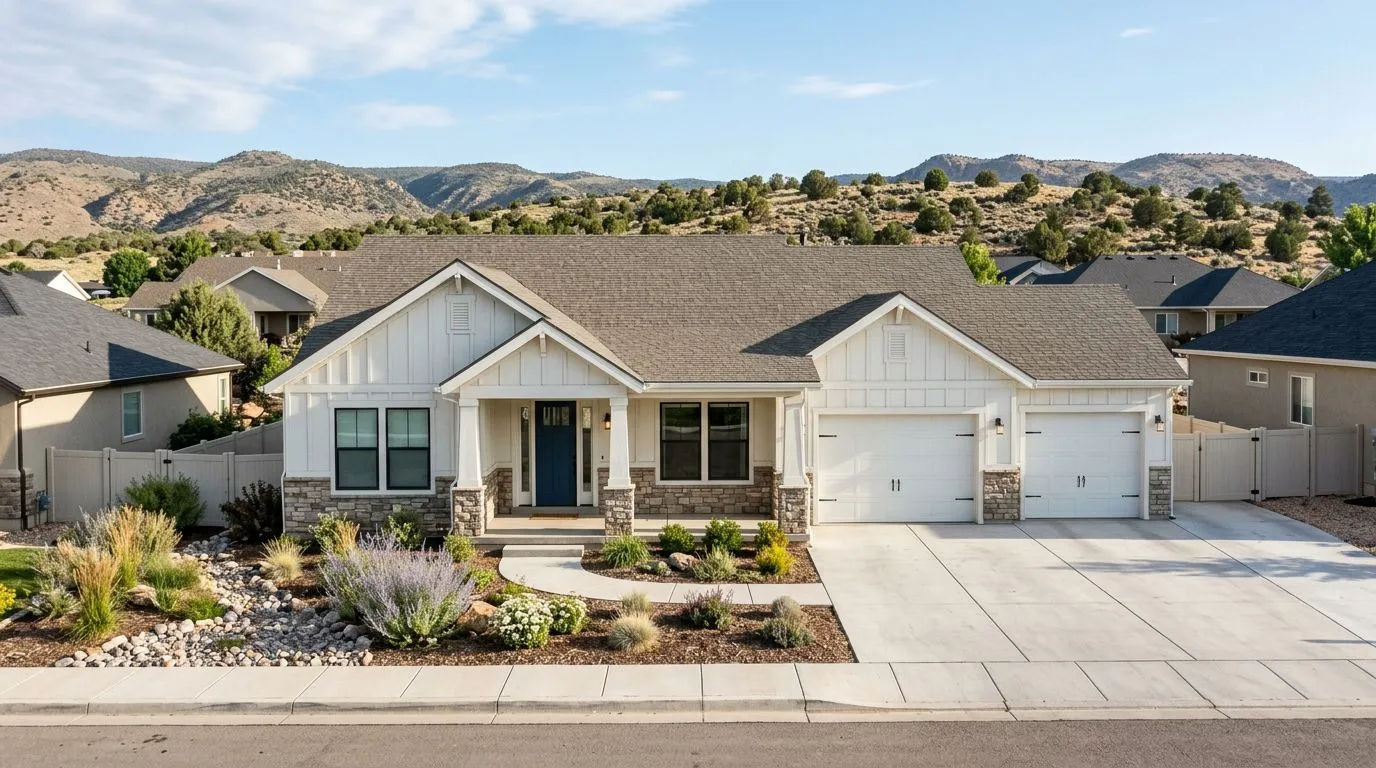
Start looking at properties in Cedar City, however, and the architectural landscape changes. Historic brick bungalows sit along established downtown streets. Newer neighborhoods feature covered porches, gabled roofs, board-and-batten siding, and stone-accented exteriors. You'll also encounter homes borrowing design elements from the surrounding mountains.
Understanding Cedar City home styles gives relocating buyers a better sense of the properties they'll encounter, but there's a practical side to these differences. Cedar City's colder winters, snow exposure, and high-desert climate influence construction and maintenance in ways that may be unfamiliar to someone coming from coastal California.
A home's exterior can tell you something about its architectural influences. To understand how it will perform and what it may cost to maintain, you need to look considerably closer.
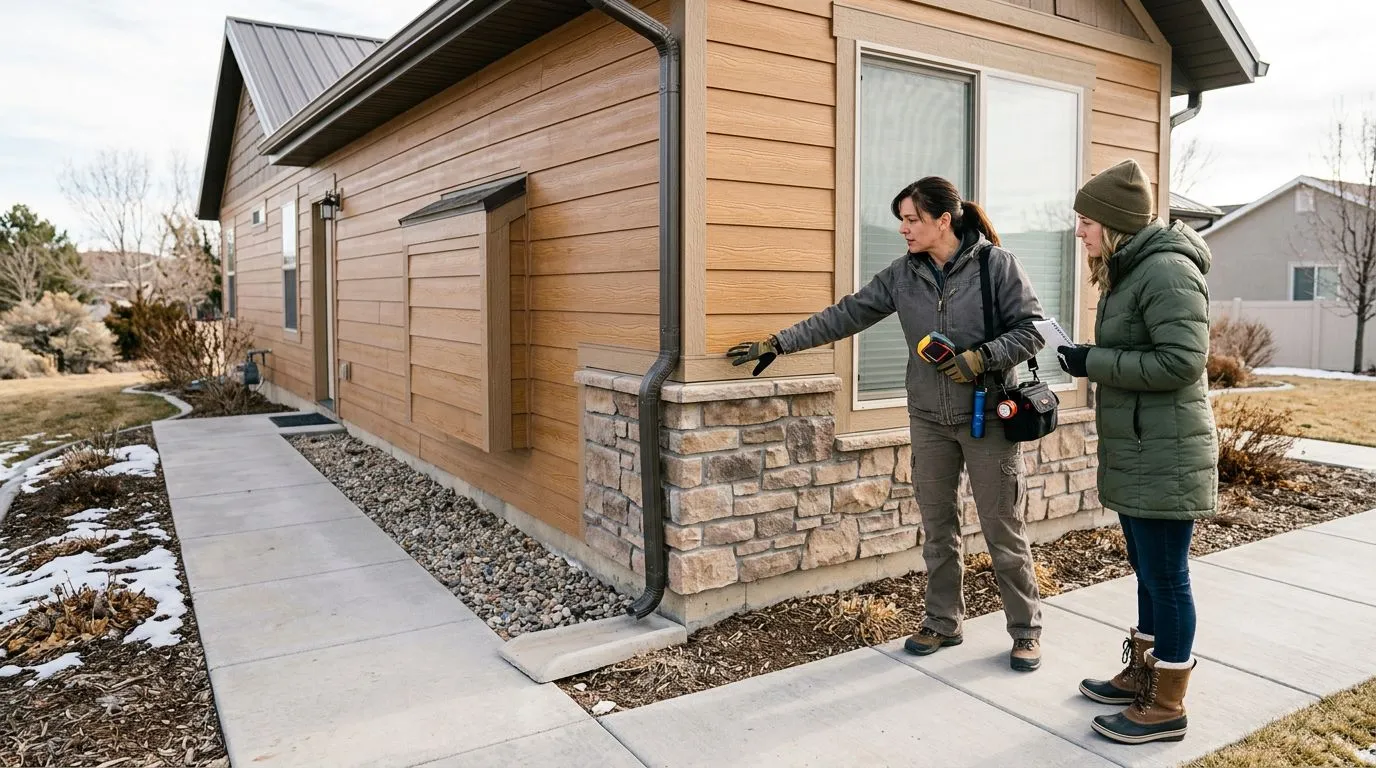
Table of Contents
- Why San Diego Spanish Architecture Looks So Different From Cedar City Housing
- Cedar City's Historic Brick Homes and Traditional Neighborhood Architecture
- Craftsman and Modern Farmhouse Homes in Cedar City's Newer Neighborhoods
- Mountain Modern Homes: Timber, Stone, Glass, and Contemporary Design
- Stucco, Brick, Stone, and Siding: What Each Material Means for Utah Homeowners
- How Cedar City's Climate Changes the Way Homes Are Designed and Maintained
- Older Cedar City Homes Versus New Construction: Which Style Fits Your Priorities?
- How Architecture Should Influence Your Cedar City Home Search
- How The Sam Dodd Team Helps Buyers Compare Cedar City Home Styles
- Five Things to Check Before Choosing a Home Based on Architectural Style
- Frequently Asked Questions
- Find a Cedar City Home That Fits Your Style and Ownership Needs
Why San Diego Spanish Architecture Looks So Different From Cedar City Housing
The Southern California Spanish Revival Influence
San Diego's association with Spanish Colonial Revival architecture has a specific historical foundation.
The 1915 Panama-California Exposition helped establish the style throughout Southern California. Architects drew inspiration from Spanish and Mexican buildings, creating richly detailed structures with plastered walls, decorative tile, arches, courtyards, and distinctive rooflines.
You can still see that influence throughout Balboa Park and in residential neighborhoods across the county.
Traditional spanish colonial revival homes frequently incorporate stucco walls, clay tile roofs, wrought-iron details, and sheltered outdoor spaces. Their designs often create a strong relationship between indoor rooms and exterior patios.
Of course, the Spanish-inspired house you owned in San Diego may have been built decades after the original architectural movement. Modern production homes frequently adopt the appearance without replicating historical construction methods.
Cedar City's Residential History Followed a Different Path
Cedar City's residential architecture developed through different settlement patterns, building traditions, and periods of growth.
Early twentieth-century neighborhoods feature brick houses, Craftsman bungalows, and period-revival cottages. Later development brought ranch-style houses, conventional suburban construction, and a wider range of contemporary designs.
Climate is part of that history, but architectural preferences, locally available materials, and changing construction methods also influenced what was built.
The result is a housing market with considerably more variety than the term "mountain architecture" might suggest.
Architectural Style vs. Construction
A Spanish-inspired exterior doesn't necessarily mean a home was built using historical Spanish construction methods. Similarly, decorative timber or stone can create a mountain-style appearance without indicating how the underlying structure was engineered. Evaluate the actual building materials and condition.
Cedar City's Historic Brick Homes and Traditional Neighborhood Architecture
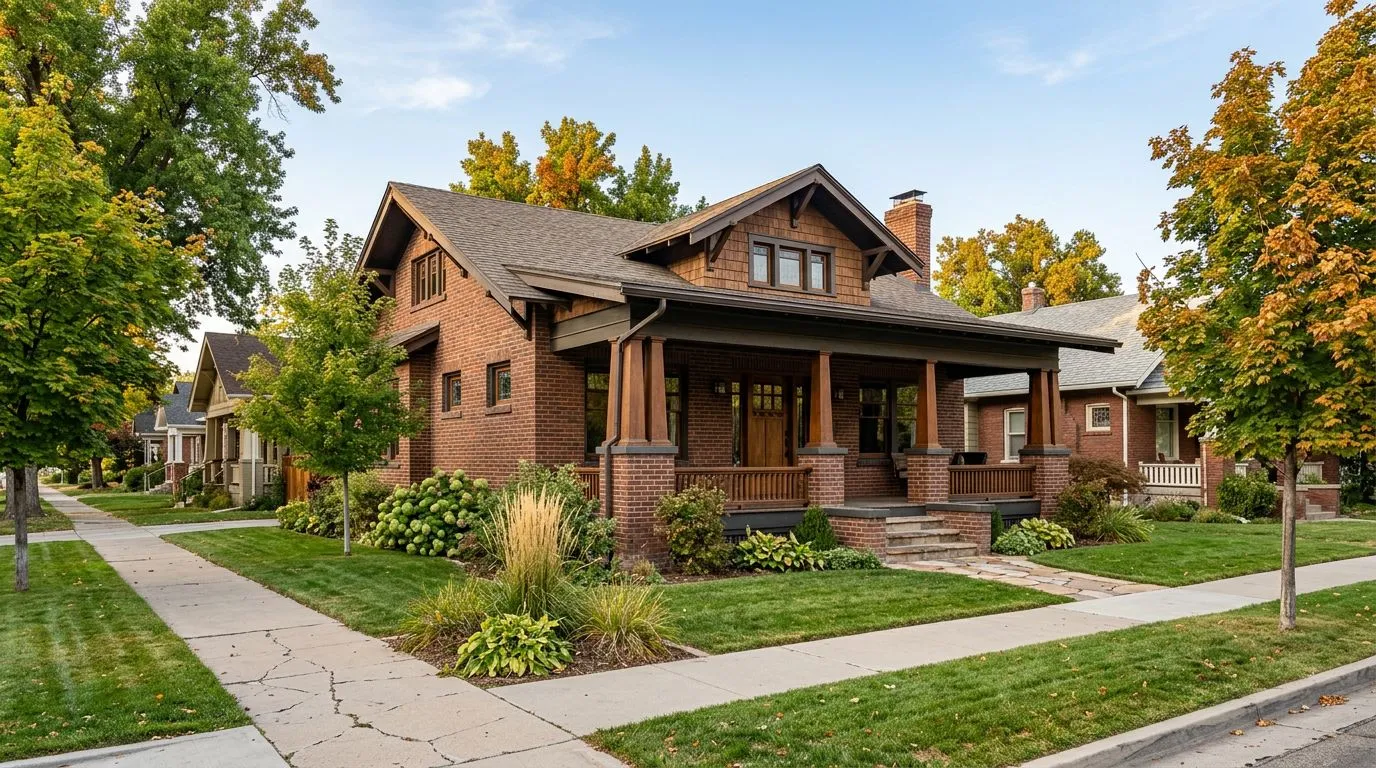
Spend time around downtown Cedar City, particularly near Southern Utah University, and you'll encounter homes with an architectural character quite different from newer developments.
The Cedar City Historic District was added to the National Register of Historic Places in 2004. Its documented architectural history includes Bungalow/Craftsman and Tudor Revival influences, along with residential buildings representing different periods of local development.
Brick façades, traditional porches, prominent rooflines, and carefully proportioned windows give many historic properties a recognizable appearance.
The National Register documentation identifies specific examples of early brick bungalow construction, including properties along 200 West.
These older Cedar City homes also offer an opportunity to purchase in established residential areas with mature landscaping and traditional street patterns.
What Buyers Should Investigate
Architectural character deserves appreciation, but older homes require property-specific investigation.
Brickwork should be examined for deteriorating mortar, cracking, and evidence of movement. Roof condition matters, particularly when previous additions have introduced different rooflines or drainage arrangements.
The age and condition of electrical systems, plumbing, insulation, and heating equipment also deserve attention.
A renovated interior doesn't establish that every underlying system has been updated.
Our guide to buying historic homes in downtown Cedar City explores these ownership considerations in greater detail.
Craftsman and Modern Farmhouse Homes in Cedar City's Newer Neighborhoods
The Craftsman Influence
Craftsman architecture is recognizable through its gabled roofs, covered porches, substantial columns, and emphasis on visible construction details.
Modern craftsman style homes often reinterpret those traditional elements using contemporary building materials and floor plans.
A new Cedar City house may feature a Craftsman-inspired porch supported by decorative columns, stone veneer around the entryway, and engineered siding across the upper façade.
These materials can create the desired architectural appearance without being identical to those used in a century-old bungalow.
You'll find variations of these designs among newer Southern Utah housing developments, sometimes alongside more conventional stucco houses.
Modern Farmhouse Architecture
Modern farmhouse exteriors have also become familiar in contemporary residential construction.
Common features include vertical board-and-batten siding, relatively simple building forms, contrasting trim, covered entries, and occasional metal roofing accents.
Some builders combine these details with Craftsman elements or conventional suburban floor plans.
That blending is worth recognizing. Real estate listings frequently use broad architectural labels, and a home described as farmhouse may have very little in common with traditional agricultural buildings.
Look Beyond the Exterior Appearance
When comparing craftsman style homes with modern farmhouse designs, ask what materials were actually installed.
Board-and-batten may be fiber cement, engineered wood, or another manufactured siding system. Stone accents may be decorative veneer. Porch columns might conceal conventional framing.
Those distinctions affect inspection and maintenance questions.
Ask for available product information, builder warranties, and construction records. The architectural label alone won't tell you how the exterior was assembled.
Questions to Ask About Newer Home Exteriors
- Is the siding fiber cement, engineered wood, natural wood, or another product?
- Are the stone details structural masonry or decorative veneer?
- What warranties or installation records are available?
- Has the exterior been modified or repaired since construction?
Mountain Modern Homes: Timber, Stone, Glass, and Contemporary Design
Mountain-inspired architecture introduces another collection of materials and visual elements.
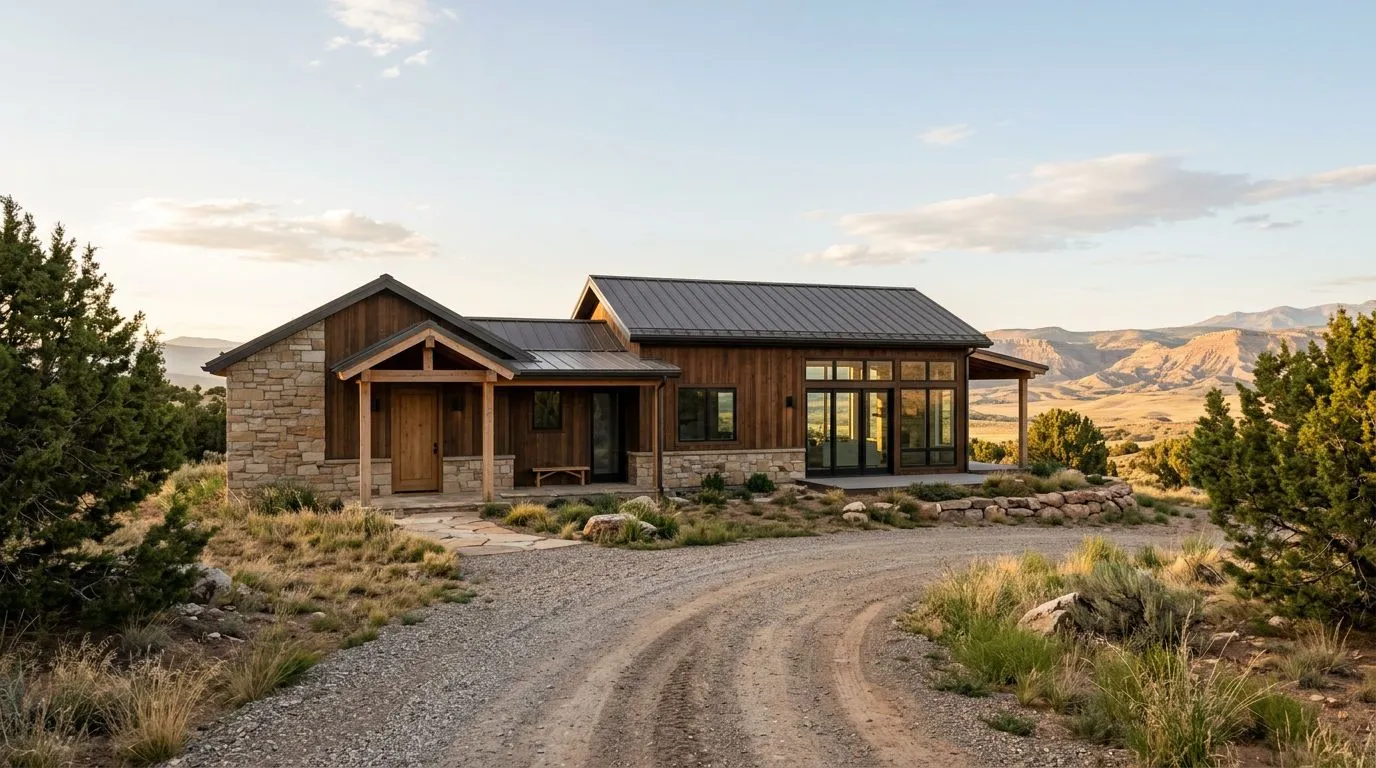
Large windows, timber accents, stone details, prominent rooflines, and outdoor living areas oriented toward surrounding views are common design characteristics.
Some homes adopt a contemporary approach with simpler forms and extensive glass. Others borrow more heavily from traditional mountain lodges, using exposed-looking beams, covered entries, and substantial stone features.
Mountain modern homes can be especially appealing to buyers who want their property to reflect Southern Utah's landscape.
But the materials deserve closer examination.
Decorative timber brackets aren't necessarily structural beams. Manufactured stone veneer can create the appearance of substantial masonry without serving a structural purpose. Large windows may provide attractive views while introducing important questions about glazing, insulation, sun exposure, and heating performance.
Mountain Style Doesn't Always Mean Mountain Construction
There's also an important distinction between a mountain-inspired house in Cedar City and a property located at Brian Head.
Higher-elevation properties may experience substantially different snowfall, winter access, and environmental conditions.
A home with decorative timber beams in a Cedar City subdivision shouldn't automatically be assumed to have the same engineering or maintenance requirements as a mountain property.
If you're attracted to mountain modern homes, evaluate the actual location and construction alongside the design.
You can also explore our discussion of mountain-style home presentation to understand how these architectural features influence interior and exterior design choices.
Stucco, Brick, Stone, and Siding: What Each Material Means for Utah Homeowners
The exterior material is one of the first things a buyer notices, but appearance doesn't establish condition or durability.
Several materials commonly associated with one architectural style are used across many different designs.
Stucco Still Has a Place in Southern Utah
Moving away from California doesn't mean leaving stucco construction behind.
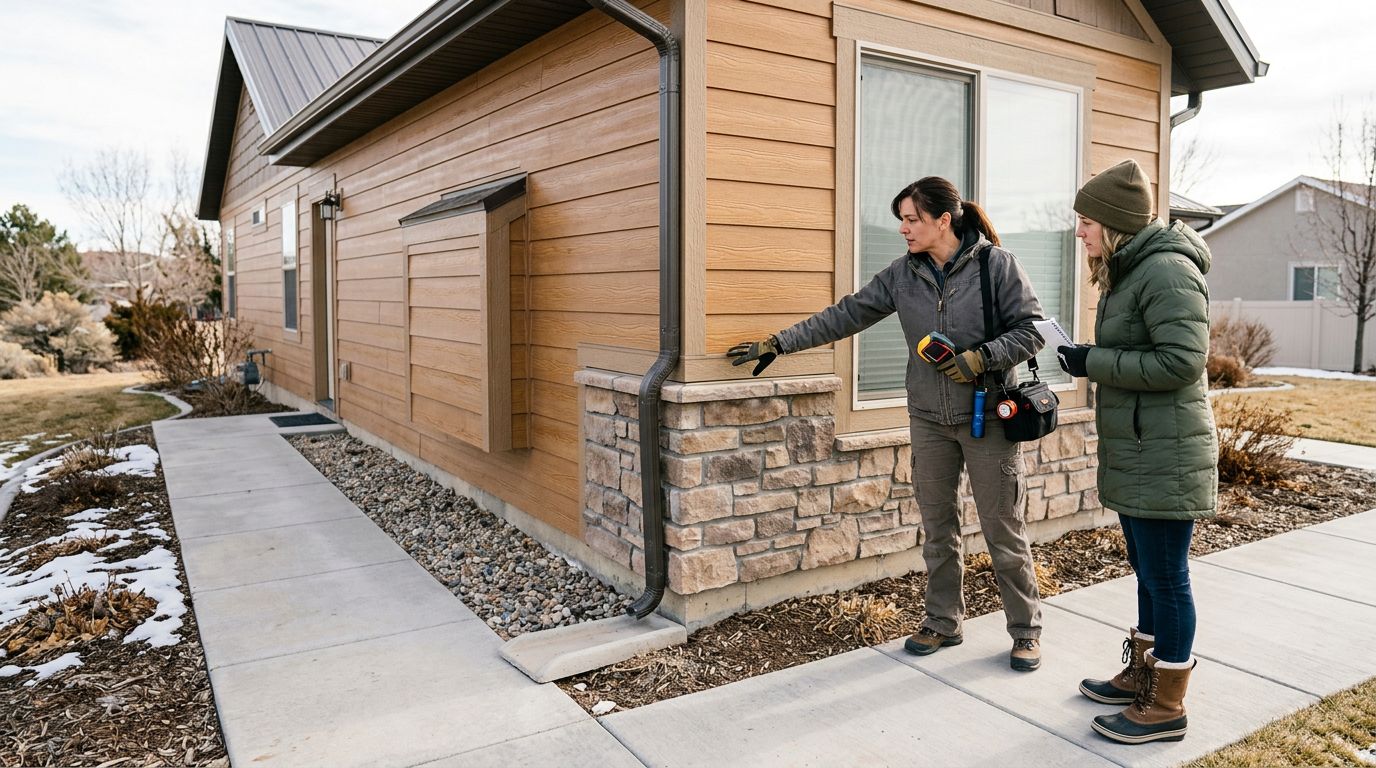
Stucco remains a practical exterior finish when properly specified and installed for local conditions. Its performance depends on the complete wall assembly, including appropriate water-management details.
For buyers familiar with spanish colonial revival homes, stucco may be the most recognizable exterior material.
Look for cracking, signs of water intrusion, deteriorating sealants, and problems where the finish meets windows or roof components.
Not every crack indicates a serious structural defect. However, the pattern, location, and underlying cause matter, particularly when moisture or building movement may be involved.
Brick and Masonry
Brick is an important part of Cedar City's older residential architecture.
Some historic buildings feature substantial masonry construction, while newer houses may use brick primarily as exterior veneer.
That difference affects how the building should be inspected.
Mortar joints, movement-related cracking, and moisture management deserve attention. If you see significant cracking or displacement, a qualified professional can help determine the cause and implications.
Fiber-Cement, Wood, and Engineered Siding
Siding products vary considerably.
Fiber cement, natural wood, and engineered wood have different installation requirements, coating systems, and maintenance considerations.
A newly painted exterior may look excellent while still concealing problems around joints, fasteners, penetrations, or areas exposed to moisture.
Ask about the specific product and review installation details where documentation is available.
Stone Veneer and Decorative Timber
Stone accents and timber details can give a house its architectural identity.
Manufactured stone veneer needs proper installation, drainage, and flashing. Decorative timber components require suitable finishes and protection from moisture.
Before assuming a feature is permanent or maintenance-free, establish what it's made from and how it was installed.
Exterior Materials and Inspections
A home may combine stucco, manufactured stone, siding, and decorative wood. Each component has different maintenance requirements. Ask a qualified inspector to evaluate the installation, condition, and areas where different materials meet, especially around windows, roofs, and drainage details.
How Cedar City's Climate Changes the Way Homes Are Designed and Maintained
Coastal San Diego and Cedar City present different environmental demands.
Cedar City's higher elevation brings freezing winter temperatures, snow, seasonal temperature swings, and significant summer sun exposure.
These conditions make roof construction, insulation, drainage, and exterior detailing particularly important.
Snow Loads and Roofing
Cedar City publishes building design standards addressing snow loads, wind, seismic conditions, and frost depth.
The city's published information identifies a 30-inch frost depth and directs roof snow-load determination to the design professional.
These requirements aren't evidence that one architectural roof style is automatically safer than another.
A steep roof can still have drainage or structural problems. A lower-sloped roof can perform appropriately when designed and maintained for the applicable conditions.
For an existing property, evaluate roof age, materials, drainage, and evidence of previous water intrusion.
Foundations, Drainage, and Freeze-Thaw Conditions
Snowmelt and seasonal moisture need somewhere to go.
Improper grading can direct water toward a foundation, while poorly managed roof drainage may affect walls, walkways, and other building components.
Repeated freezing and thawing can also contribute to deterioration in susceptible materials.
Our guide to drainage, snowmelt, and foundation considerations for Cedar City homes explains why property conditions and site layout deserve attention during due diligence.
Windows, Insulation, and Summer Sun
Large windows may be attractive in a mountain-inspired design, but buyers should evaluate glazing performance, shading, and indoor comfort.
Insulation, air sealing, and the condition of the heating and cooling equipment matter as much as the exterior's architectural appearance.
A detailed inspection and a review of available utility information can be more informative than assumptions based on the home's style.
Older Cedar City Homes Versus New Construction: Which Style Fits Your Priorities?
One of the more interesting aspects of Cedar City home styles is the opportunity to compare very different periods of residential construction within the same market.
An older house near downtown might offer brick detailing, an established setting, and architectural features rarely reproduced in modern subdivisions.
A newer property may offer a contemporary floor plan, current building materials, and more recent mechanical systems.
There are advantages and limitations to both.
Older homes may have undergone extensive renovations, improving comfort and functionality while retaining their original appearance. Others may need substantial work behind attractive historic finishes.
New construction provides newer materials and systems, but that doesn't eliminate installation defects or the need for inspections.
If you're comparing historic architecture with newly built properties, review the actual condition of each house, available building records, warranties, and the scope of previous improvements.
Consider the neighborhood setting as well. Some buyers value mature landscaping and established streets, while others prefer newer developments with contemporary home layouts.
These preferences deserve consideration alongside construction quality.
How Architecture Should Influence Your Cedar City Home Search
Your preferred architectural style can help narrow the property search, but it shouldn't override practical ownership considerations.
A historic brick home may have the character you want, yet lack garage space or require substantial improvements. A contemporary farmhouse design may offer an appealing layout while incorporating exterior materials that require periodic maintenance.
Before deciding, consider the property's actual features:
- Exterior material condition and anticipated maintenance.
- Roof age, drainage, and available construction records.
- Window performance and heating systems.
- Garage capacity and storage requirements.
- Exterior modification restrictions.
- The home's orientation, exposure, and site conditions.
Architectural character is an important part of choosing a home. Understanding the property behind that character makes the decision more informed.
How The Sam Dodd Team Helps Buyers Compare Cedar City Home Styles
At The Sam Dodd Team, we help buyers explore different residential areas and property types throughout Cedar City and the surrounding Southern Utah market.
That includes comparing older properties with newer construction, evaluating available listings, arranging showings, and helping buyers work through purchase and inspection requirements.
When evaluating Cedar City homes, it's helpful to consider how the property's architecture, location, and condition fit your intended use.
Our home-buying resources explain the purchase process, and you can search available Southern Utah properties to compare current options.
Professional inspectors, engineers, and qualified contractors can provide the technical assessments needed for specific construction questions.
Five Things to Check Before Choosing a Home Based on Architectural Style
A few focused questions can help you compare Cedar City home styles before making an offer:
- What materials were actually used? Confirm the exterior products rather than relying on the listing description.
- What condition is the roof in? Review age, material, installation information, and visible wear.
- How does the property manage water? Look at drainage, grading, and potential snowmelt concerns.
- How well does the home handle seasonal weather? Investigate insulation, windows, heating, and cooling.
- Can you make the changes you want? Review applicable HOA covenants, historic considerations, permits, and local regulations.
Frequently Asked Questions
Find a Cedar City Home That Fits Your Style and Ownership Needs
Architecture influences how a home looks, how it feels, and what ownership may involve over time.
If you're moving from San Diego and exploring Cedar City, The Sam Dodd Team can help you compare historic properties, contemporary construction, and neighborhood options.
Contact The Sam Dodd Team to discuss your property search and the architectural features that matter to you.

Sam Dodd
Operator/Agent | Sam Dodd Team | eXp Realty | PLACE
or another way